







What's Happening?
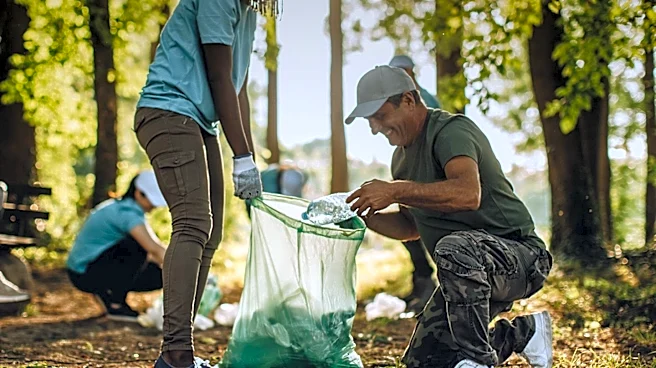
A report from Nonprofit Quarterly discusses the role of older adults in volunteerism and its implications for social justice. Despite facing economic and health challenges, older adults in the U.S. are increasingly contributing to volunteer efforts, with
their volunteer hours rising faster than any other age group. The report highlights that older adults are often viewed as recipients of aid rather than active contributors, a perception that undermines their potential as agents of change. The article argues for a shift in perspective, recognizing the valuable contributions of seniors to society and addressing the inequalities they face, such as poverty and inadequate healthcare.
Why It's Important?
The increasing volunteerism among older adults challenges societal stereotypes and highlights the need for a more inclusive approach to social justice. Recognizing seniors as active participants rather than passive recipients can lead to more effective utilization of their skills and experiences. This shift could also address broader social justice issues, such as healthcare disparities and economic inequality, by leveraging the civic engagement of older adults. As the senior population grows, their involvement in volunteerism could play a crucial role in addressing community needs and fostering social cohesion.
What's Next?
Organizations and policymakers may need to develop strategies that better integrate older adults into volunteer programs, recognizing their potential as a valuable resource. This could involve creating more opportunities for seniors to engage in meaningful volunteer work and addressing barriers that prevent their participation. Additionally, there is a need for advocacy to ensure that issues affecting older adults are included in social justice agendas, promoting policies that support their well-being and contributions to society.