



What's Happening?
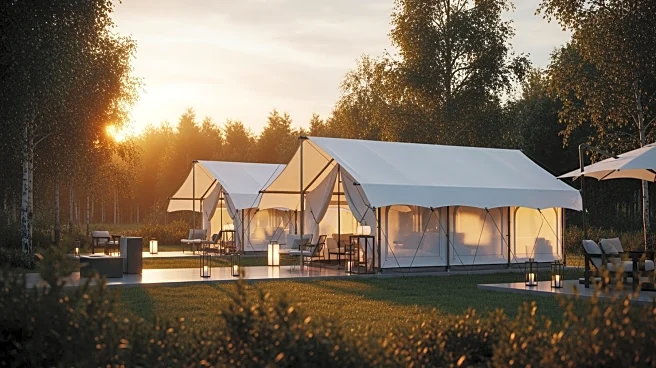
Hilton and Hyatt have entered into strategic partnerships to expand their offerings in the glamping sector, a form of luxury camping that combines outdoor experiences with high-end accommodations. Hilton has partnered with AutoCamp to integrate boutique
glamping options, such as Airstream suites and luxury tents, into its distribution and loyalty ecosystem. This move is part of Hilton's broader lifestyle and independent brand strategy, with plans for over 60 hotels across the U.S. and Canada. Meanwhile, Hyatt has teamed up with Under Canvas to offer luxury safari-style tenting near national parks, allowing guests to earn points through the World of Hyatt program. This partnership is considered the most authentic outdoor play among major hotel brands, focusing on genuine tented camps rather than cabins. These initiatives reflect a growing trend among major hotel chains to diversify their accommodation offerings and tap into the increasing demand for unique and immersive travel experiences.
Why It's Important?
The expansion into glamping by major hotel chains like Hilton and Hyatt signifies a shift in the hospitality industry towards more diverse and experiential travel options. This trend is driven by a growing consumer interest in nature-based and sustainable tourism, which offers a blend of outdoor adventure and luxury. By entering the glamping market, these companies are positioning themselves to capture a segment of travelers seeking unique experiences that traditional hotels may not provide. This move could potentially increase their market share and customer loyalty, as travelers are drawn to the novelty and exclusivity of glamping. Additionally, these partnerships allow Hilton and Hyatt to leverage existing infrastructure and loyalty programs to attract new customers, thereby enhancing their competitive edge in the hospitality sector.
What's Next?
As Hilton and Hyatt continue to develop their glamping offerings, they may face challenges related to infrastructure development and environmental sustainability. Ensuring that these luxury camping sites are eco-friendly and integrate well with natural surroundings will be crucial for maintaining consumer trust and meeting regulatory requirements. Furthermore, the success of these initiatives could prompt other major hotel chains to explore similar partnerships or acquisitions in the glamping sector, potentially leading to increased competition and innovation. The focus on direct booking strategies and unique marketing approaches, such as cinematic storytelling, will likely play a significant role in attracting and retaining customers in this niche market.
Beyond the Headlines
The move towards glamping reflects broader cultural and economic shifts in the travel industry, where consumers are increasingly valuing experiences over material goods. This trend aligns with the growing emphasis on sustainability and responsible tourism, as travelers seek to minimize their environmental impact while enjoying nature. The partnerships between hotel chains and glamping providers also highlight the importance of collaboration in achieving business growth and innovation. By combining resources and expertise, these companies can offer more comprehensive and appealing travel experiences, potentially setting new standards for luxury and eco-friendly tourism.