






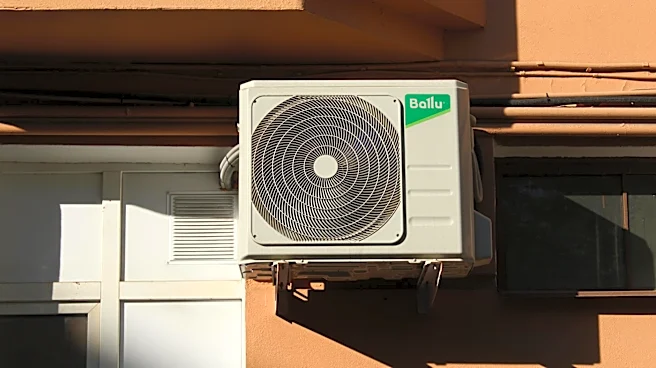
What's Happening?
Indoor air quality is increasingly recognized as a significant factor affecting health and comfort in homes. According to experts, HVAC systems, which are designed to regulate temperature, also circulate air that may contain dust, allergens, and volatile
organic compounds (VOCs). Joey Dooley, a general manager at ARS, highlights that HVAC systems move everything in the air, including potential contaminants. Steve Wade, senior director at ARS, categorizes these contaminants into particulates, biological, and chemical types. Poor indoor air quality can lead to symptoms such as allergies, uneven room temperatures, and musty odors. These issues are often exacerbated by clogged filters, improper dehumidification, and poorly sealed ductwork. Regular maintenance and proper ventilation are recommended to mitigate these problems.
Why It's Important?
The quality of indoor air has direct implications for health, particularly for individuals with allergies or respiratory conditions. Poor air quality can exacerbate symptoms and lead to discomfort. The American Lung Association notes that poor air quality can cause allergy-like symptoms and breathing difficulties. As homes become more tightly constructed to improve energy efficiency, they can trap pollutants inside, worsening air quality. This issue is significant as it affects a large portion of the population, especially in urban areas where people spend most of their time indoors. Addressing indoor air quality can lead to improved health outcomes and comfort, reducing healthcare costs and enhancing quality of life.
What's Next?
Homeowners are encouraged to conduct regular maintenance on their HVAC systems, including checking and replacing filters as needed. Consulting with HVAC professionals to ensure systems are properly sized and ductwork is sealed can prevent the circulation of contaminants. Additionally, integrating mechanical ventilation solutions can help introduce fresh air into homes. As awareness of indoor air quality grows, there may be increased demand for advanced HVAC systems with features like automatic diagnostics and precise capacity control. These systems can optimize air quality while maintaining energy efficiency.