
What's Happening?
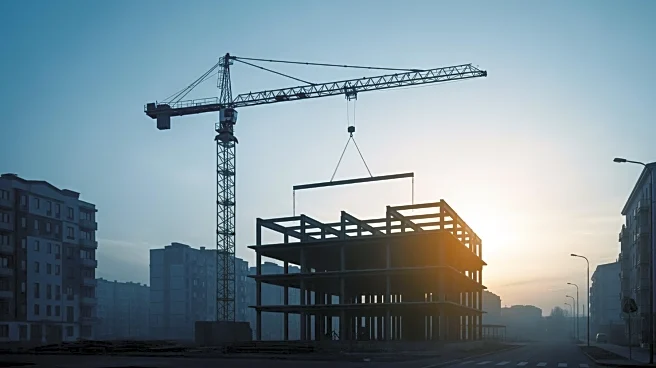
West Nashville is experiencing a surge in apartment construction despite a slowdown in demand. The area, particularly The Nations neighborhood, has seen significant development over the past decade, transforming
into a vibrant community with new restaurants and amenities. However, the influx of new apartments has led to increased vacancies as demand for rental units has weakened. This is partly due to fewer new jobs and economic uncertainties causing people to delay forming new households. Landlords are now prioritizing occupancy over rent growth, offering competitive rates to fill units. This trend is expected to make rental prices in West Nashville more affordable compared to other parts of the city.
Why It's Important?
The ongoing construction of apartments in West Nashville highlights the challenges and opportunities in urban development. While the addition of new housing can enhance the area's appeal and support local businesses, the current oversupply poses financial risks for developers and landlords. The situation underscores the importance of aligning housing supply with market demand to ensure sustainable growth. For renters, the increased availability of apartments could lead to more affordable housing options, potentially attracting a diverse population and fostering community growth. The development also reflects broader trends in urbanization and the need for strategic planning in rapidly growing cities.
What's Next?
As construction continues, landlords will likely focus on filling vacancies and stabilizing rental prices. This may involve offering incentives to attract tenants and adjusting marketing strategies to highlight the benefits of living in West Nashville. City planners and developers may need to reassess future projects to avoid exacerbating the oversupply issue. Additionally, economic factors such as job growth and interest rates will play a crucial role in shaping the housing market's trajectory. Stakeholders will need to collaborate to ensure that development aligns with the community's needs and supports long-term economic vitality.