
What's Happening?
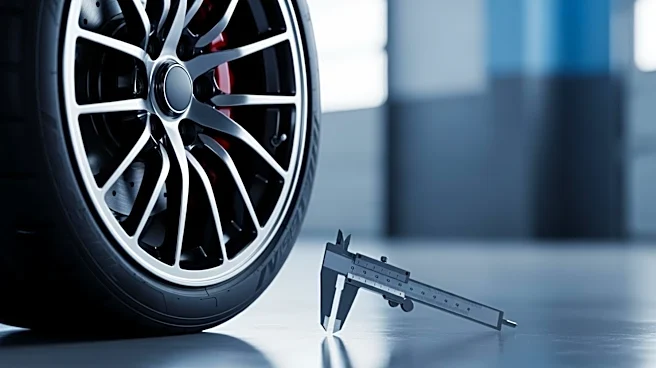
Isack Hadjar, a driver for Red Bull Racing, was disqualified from the qualifying session of the Miami Grand Prix after a post-session inspection revealed that the floor of his car exceeded the permitted
dimensions by approximately two millimeters. This breach of the 2026 F1 technical regulations led to his disqualification from the session. Despite the disqualification, Red Bull Racing requested and was granted permission for Hadjar to start the race from the back of the grid. The disqualification was a result of the floorboards on Hadjar's RB22 protruding beyond the allowed specifications, a finding that Red Bull did not contest. Hadjar expressed frustration with the car's performance and the lack of straight-line speed during the qualifying session.
Why It's Important?
The disqualification of Isack Hadjar highlights the strict enforcement of technical regulations in Formula 1, which can significantly impact team strategies and race outcomes. For Red Bull Racing, this incident underscores the challenges of implementing upgrades that comply with technical standards while aiming to enhance performance. The decision to allow Hadjar to race despite the disqualification reflects the balance between maintaining competitive integrity and ensuring participation. This event may influence how teams approach car modifications and compliance checks in future races, potentially affecting their competitive standing and strategic planning.
What's Next?
Following the disqualification, Hadjar will start the Miami Grand Prix from the back of the grid, requiring him to navigate through the field to achieve a competitive finish. Red Bull Racing may need to reassess their upgrade strategies to ensure compliance with technical regulations in future races. The team will likely focus on optimizing car performance within the regulatory framework to avoid similar penalties. Additionally, the outcome of the race could influence Red Bull's position in the championship standings, prompting strategic adjustments for upcoming events.