
What's Happening?
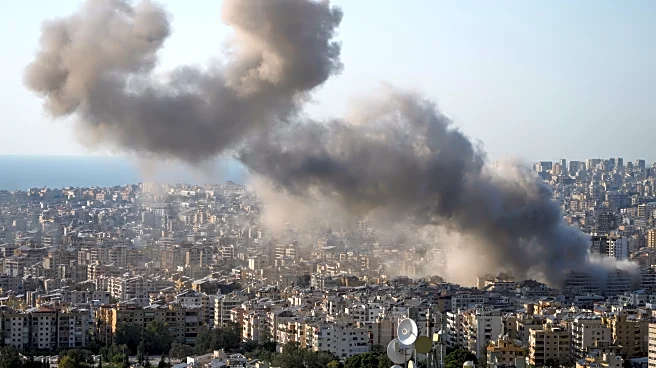
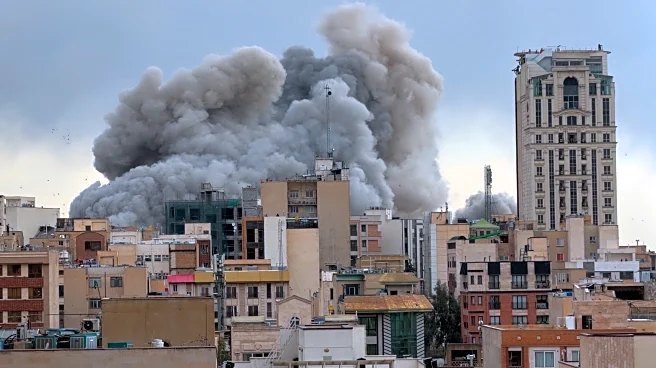
The semiconductor industry, particularly in South Korea, is facing potential disruptions due to ongoing geopolitical tensions in the Middle East, specifically around the Strait of Hormuz. Key materials such as helium and bromine, essential for chip manufacturing,
are at risk of supply chain interruptions. Helium, crucial for the lithography process in chip production, is largely sourced from Qatar, which produces over a third of the global supply. Similarly, bromine, used in etching processes, is predominantly produced in Israel and Jordan. The Semiconductor Industry Association has previously warned of potential 'shocks' to the sector if these supplies are disrupted. The current conflict in the region could exacerbate these risks, potentially impacting the global semiconductor supply chain.
Why It's Important?
The semiconductor industry is a critical component of the global technology sector, underpinning advancements in artificial intelligence and other high-tech fields. Disruptions in the supply of key materials like helium and bromine could have significant repercussions, not only for chipmakers like Samsung Electronics and SK Hynix but also for the broader tech industry that relies on these components. The potential supply chain issues could lead to increased costs and delays in production, affecting everything from consumer electronics to advanced computing systems. This situation highlights the vulnerability of global supply chains to geopolitical tensions and the importance of diversifying sources of critical materials.
What's Next?
If the conflict in the Middle East continues, companies may need to reassess their supply chain strategies. This could involve seeking alternative sources for critical materials or investing in technologies that reduce dependency on these elements. Additionally, tech companies with significant investments in the region may consider shifting their focus to more stable areas, such as Northern Europe or Southeast Asia, where geopolitical risks are lower. The situation underscores the need for strategic planning and risk management in the face of geopolitical uncertainties.