





What's Happening?
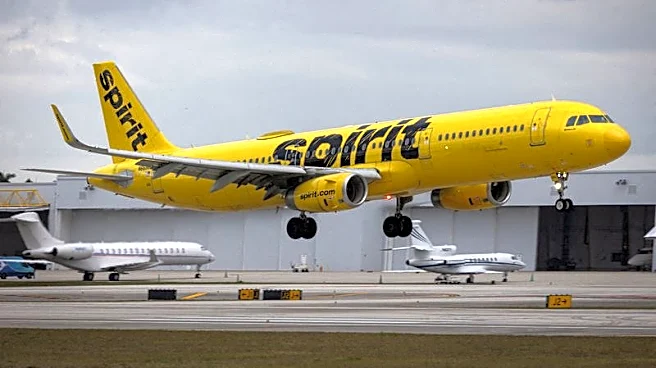
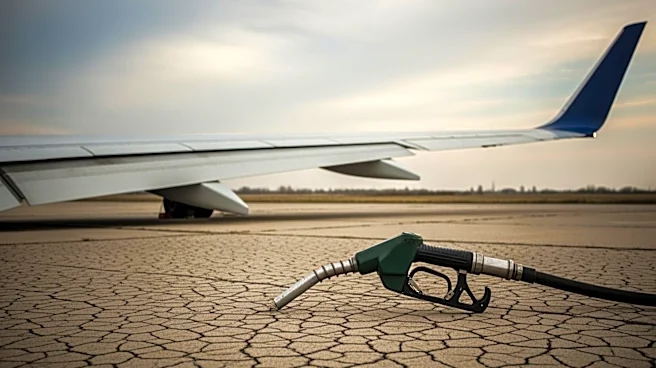
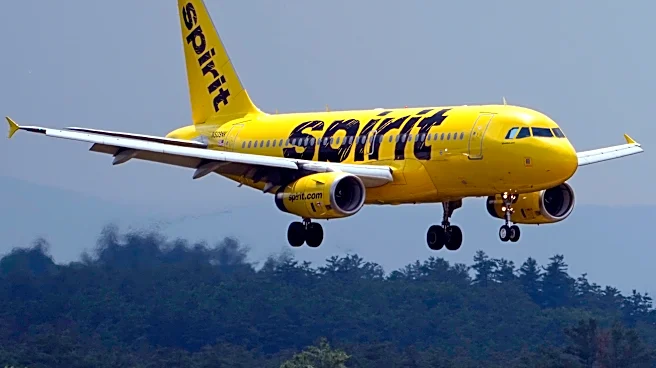
Spirit Airlines, a low-cost U.S. carrier, has announced the cancellation of all flights and the commencement of an 'orderly wind-down of operations' due to a significant increase in jet fuel prices. This decision follows the failure of a potential White
House bailout, which was proposed by President Trump but faced opposition from his advisers and Congress. The airline had planned to emerge from its second bankruptcy with the help of its lenders, but the recent surge in fuel prices, exacerbated by the ongoing conflict in Iran, has derailed these plans. Spirit Airlines had over 4,000 domestic flights scheduled in early May, and its collapse is expected to result in the loss of thousands of jobs.
Why It's Important?
The shutdown of Spirit Airlines highlights the vulnerability of the airline industry to fluctuations in fuel prices, particularly during geopolitical conflicts. The airline's collapse is a significant blow to the U.S. aviation sector, as Spirit accounted for a substantial portion of domestic flights and helped maintain competitive fares. The situation underscores the challenges faced by budget carriers in maintaining operations amid rising operational costs. Additionally, the failure of the proposed bailout reflects the complexities of government intervention in private sector crises, especially when political and economic interests are at odds.
What's Next?
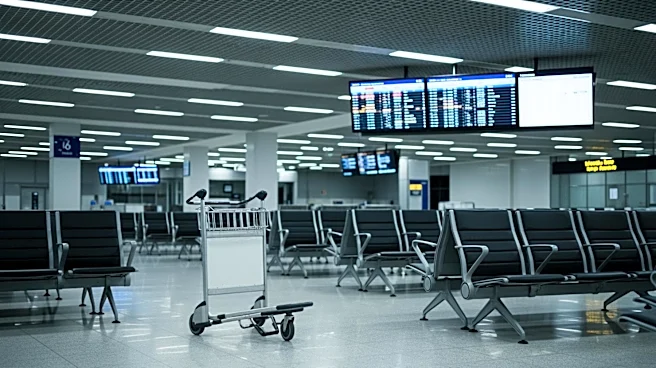
With Spirit Airlines ceasing operations, affected passengers are advised not to go to the airport, as no assistance will be available. Other airlines, such as United, Delta, JetBlue, and Southwest, are offering discounted flights for travelers with canceled Spirit tickets. The U.S. government and the airline industry may need to explore alternative strategies to support struggling carriers and mitigate the impact of fuel price volatility. The broader airline industry may also need to adjust pricing and operational strategies to cope with the ongoing fuel crisis.
Beyond the Headlines
The collapse of Spirit Airlines may lead to increased scrutiny of the airline industry's financial resilience and the effectiveness of government interventions in such crises. It also raises questions about the long-term sustainability of low-cost carriers in a volatile economic environment. The situation could prompt discussions on the need for more robust contingency planning and financial safeguards to protect airlines and their employees from similar disruptions in the future.