
What's Happening?
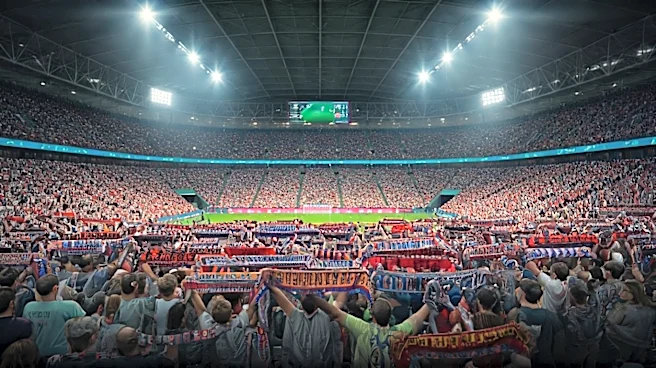
The 2026 World Cup, set to be hosted across North America, promises to be a unique event with 104 matches spread across three countries: the United States, Canada, and Mexico. This expansive tournament
will take place in 16 venues across different time zones, presenting logistical challenges for teams and fans alike. The vast distances and varying climates, from the heat and humidity of Missouri to the high altitudes of Mexico City, will test the endurance and adaptability of participating teams. England, Argentina, and the Netherlands have already chosen their training bases in the Midwest, preparing for the diverse conditions they will face. The tournament is expected to draw passionate fanbases, including the American Outlaws, who are known for their fervent support.
Why It's Important?
The 2026 World Cup represents a significant opportunity for soccer to gain a stronger foothold in the United States, a country where sports like the NFL and NBA dominate. The event is expected to boost the sport's popularity and accessibility, potentially increasing participation rates across the nation. For the teams, the tournament offers a platform to showcase their skills on a global stage, with Spain, England, and Argentina among the favorites. The diverse conditions will favor possession-based teams, and the event's success could have long-lasting impacts on the sport's development in North America. Economically, the World Cup is likely to bring substantial revenue to host cities through tourism and related activities.
What's Next?
As the tournament approaches, teams will continue to prepare for the unique challenges posed by the North American landscape. Fans and organizers will focus on logistics, ensuring smooth travel and accommodation arrangements. The event will also serve as a catalyst for infrastructure improvements in host cities, potentially leaving a lasting legacy. Stakeholders, including local governments and businesses, will aim to capitalize on the influx of visitors and global attention. The success of the World Cup could influence future decisions regarding the hosting of major international sporting events in the region.
Beyond the Headlines
The 2026 World Cup could redefine the cultural landscape of soccer in the United States, promoting inclusivity and diversity within the sport. The tournament's success may inspire a new generation of soccer players and fans, contributing to the sport's growth at grassroots levels. Additionally, the event could foster international collaboration and cultural exchange, strengthening ties between the host countries and participating nations. The World Cup's impact on local economies and communities could also highlight the potential benefits of hosting large-scale international events.