
What's Happening?
Burberry has reported a significant increase in sales of its scarves, attributing the growth to their appeal among Gen Z consumers and the influence of the 'Love Story' series. The British luxury brand
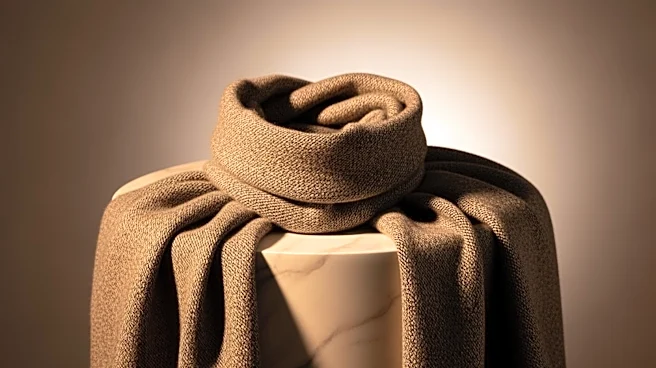
has positioned scarves as a 'hero category,' with sales up double digits. Burberry's CEO, Joshua Schulman, has focused on expanding the brand's silk scarf assortment and emphasizing its British heritage. The brand's strategy includes the introduction of 'scarf bars' in stores, showcasing a variety of scarf designs. The resurgence of 1990s minimalist fashion, partly driven by the 'Love Story' series, has contributed to the popularity of Burberry's scarves, making them a more accessible luxury purchase for younger consumers.
Why It's Important?
Burberry's success in the scarf category highlights the brand's ability to adapt to changing fashion trends and consumer preferences. By targeting Gen Z, Burberry is tapping into a demographic that values both style and affordability, positioning scarves as an entry point into luxury fashion. The brand's focus on its British heritage and iconic products has strengthened its market position, allowing it to capitalize on the nostalgia-driven fashion trends. This strategy not only boosts sales but also reinforces Burberry's identity as a quintessentially British brand, appealing to both domestic and international markets.
What's Next?
Burberry plans to continue expanding its scarf offerings and leveraging its British heritage to attract consumers. The brand's cautious outlook for the year ahead suggests a focus on maintaining growth while navigating potential market challenges. As the 'Love Story' series continues to influence fashion trends, Burberry may explore further opportunities to align its products with popular cultural phenomena. The success of the scarf category could lead to similar strategies for other product lines, enhancing Burberry's overall brand appeal and market share.