






What's Happening?
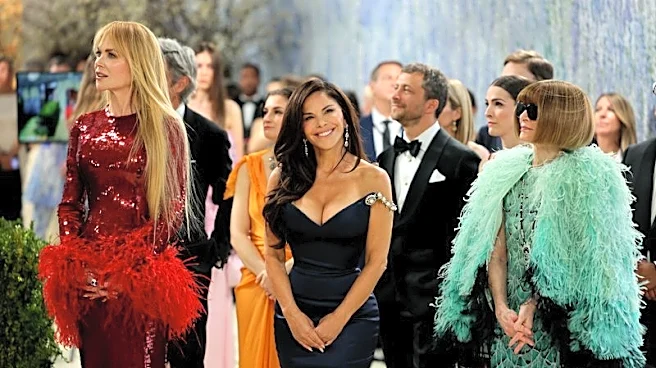
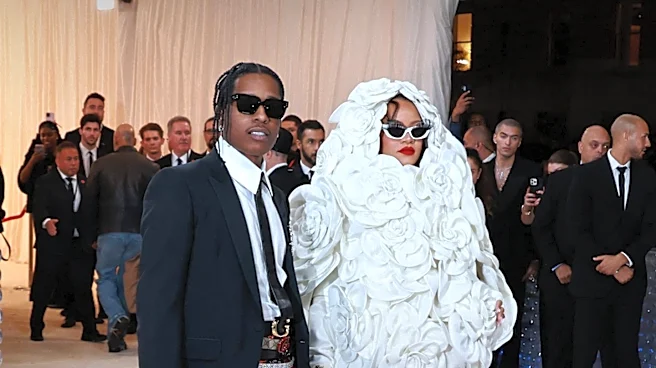
In 2026, the Met Gala, a prestigious cultural event, became a focal point for protest movements targeting Jeff Bezos, the billionaire owner of Amazon. The protests emerged in response to Bezos' significant financial involvement in the event, which many
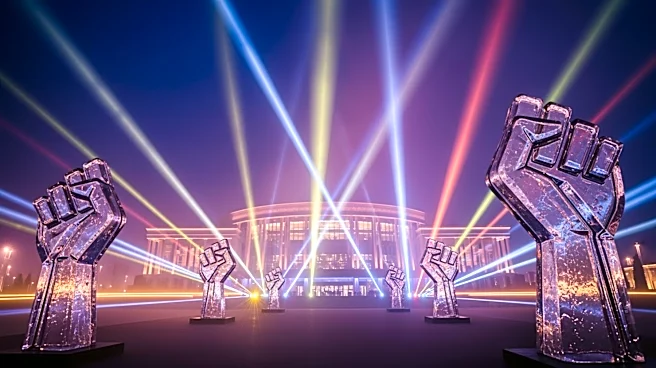
see as emblematic of the undue influence of extreme wealth on cultural institutions. Guerrilla advertisements appeared in New York City subways, criticizing Bezos for Amazon's contract with Immigration and Customs Enforcement (ICE) and his perceived close ties with President Trump. The ads and subsequent protests highlighted a broader discontent with the billionaire class and their impact on society. The Met Gala, traditionally a high-profile event for fashion and celebrity, saw a counter-event called the 'Ball Without Billionaires,' which celebrated labor and union activism, featuring runway shows with models who are activists and Amazon workers.
Why It's Important?
The protests against Jeff Bezos at the Met Gala underscore a growing societal backlash against the concentration of wealth and power among billionaires. This movement reflects broader concerns about economic inequality and the influence of wealthy individuals on cultural and political institutions. The involvement of Bezos, a figure associated with significant corporate power, in a cultural event like the Met Gala, raises questions about the accessibility and representation of such events. The protests also highlight the ongoing struggles of Amazon workers and the broader labor movement, emphasizing issues of workplace safety, fair wages, and corporate accountability. This situation illustrates the tension between cultural elitism and grassroots activism, with potential implications for how cultural events are perceived and organized in the future.
What's Next?
The protests at the Met Gala may prompt further scrutiny of the role of billionaires in cultural and public events. Organizers of such events might face increased pressure to address concerns about inclusivity and representation. Additionally, the labor movement could gain momentum, with more workers advocating for better conditions and fair treatment. The visibility of these protests could inspire similar actions at other high-profile events, potentially leading to a reevaluation of how cultural institutions engage with wealthy patrons. The response from Bezos and other billionaires to these criticisms could influence public perception and their future involvement in cultural and philanthropic activities.
Beyond the Headlines
The protests against Bezos at the Met Gala highlight deeper societal issues related to wealth inequality and corporate influence. The event serves as a microcosm of the broader debate about the role of wealth in shaping culture and public life. The juxtaposition of a lavish cultural event with grassroots activism raises ethical questions about the responsibilities of the wealthy in addressing social issues. This situation also reflects a cultural shift towards valuing authenticity and grassroots movements over traditional displays of wealth and power. The outcome of these protests could signal a change in how cultural events are organized and perceived, with potential long-term implications for the relationship between wealth and culture.