





What's Happening?
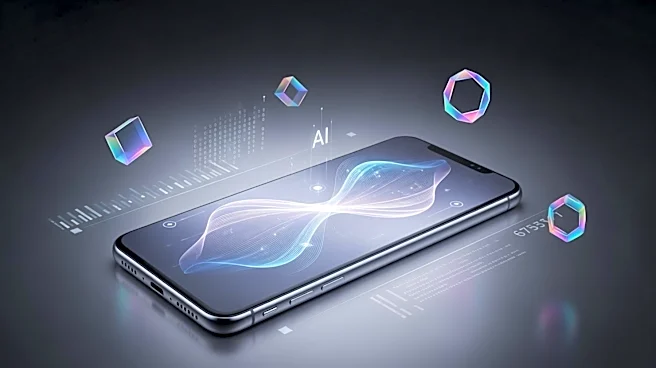
OpenAI is reportedly developing a smartphone that would replace traditional apps with AI agents, according to industry analyst Ming-Chi Kuo. The device, which is being developed in partnership with MediaTek, Qualcomm, and Luxshare, aims to fundamentally
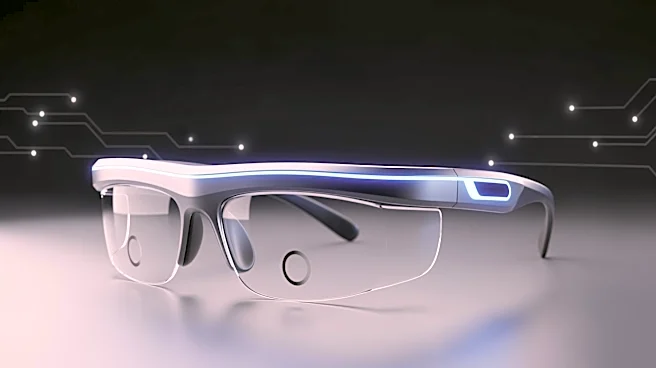
change how users interact with smartphones by focusing on task completion rather than app usage. The smartphone is expected to feature a chip designed by MediaTek and Qualcomm, with Luxshare as a co-design and manufacturing partner. OpenAI's hardware ambitions also include potential wearable devices, with production of the smartphone anticipated by 2028.
Why It's Important?
The introduction of a smartphone centered around AI agents could significantly impact the tech industry by altering consumer expectations and usage patterns. By eliminating the need for multiple apps, OpenAI's approach could streamline user experiences and increase efficiency. This development reflects a broader trend towards integrating AI more deeply into consumer technology, potentially influencing how other tech companies design their products. The shift towards AI-driven devices could also raise questions about data privacy and the role of AI in daily life.
What's Next?
As OpenAI progresses with its smartphone development, the company will likely face scrutiny regarding the implementation of AI agents and their impact on user privacy and security. The success of this venture could depend on how well OpenAI addresses these concerns and differentiates its product in a competitive market. The tech industry will be watching closely to see how consumers respond to this new approach and whether it prompts similar innovations from other companies.