




What's Happening?
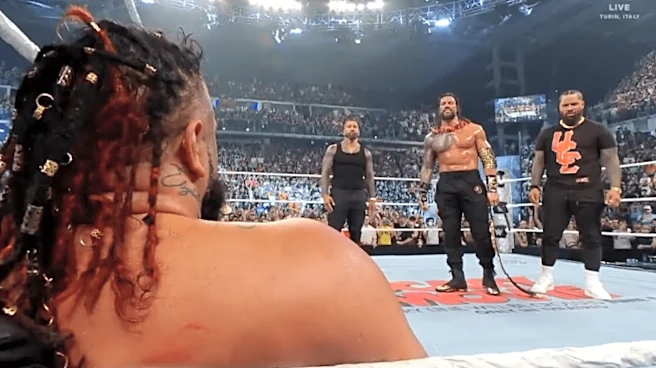
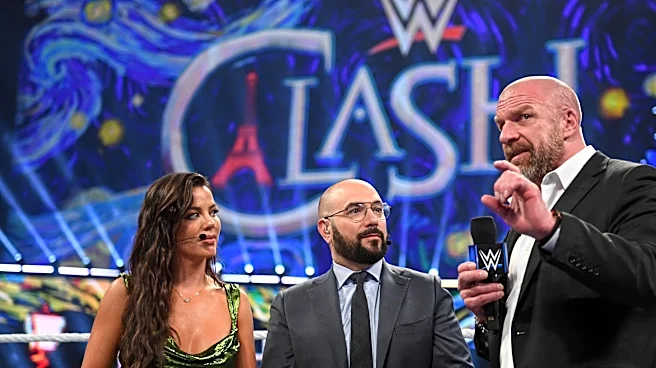
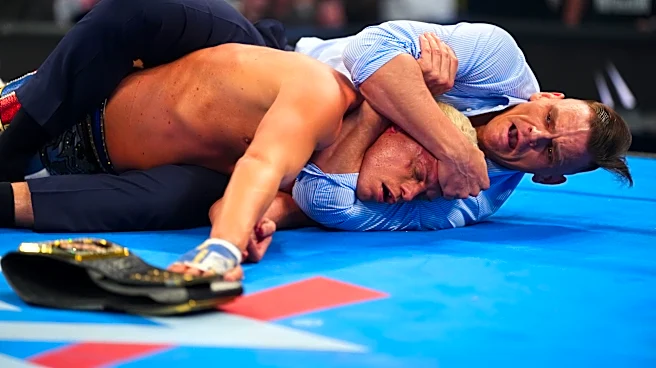
The WWE event, Clash in Italy 2026, has sparked criticism for its handling of major matches and storylines. Despite delivering strong in-ring performances, the outcomes of key bouts have left fans disappointed, as they feel WWE has not capitalized on the momentum
of certain stars. Oba Femi, who had a significant victory over Brock Lesnar at WrestleMania, was expected to be pushed towards the main event. However, WWE's decision to have Lesnar avenge his loss at Clash in Italy has been seen as a missed opportunity to elevate Femi's status. Additionally, the women's division is in need of credible challengers for Rhea Ripley, with potential contenders like Charlotte Flair and Jacy Jane yet to be clearly established.
Why It's Important?
The handling of storylines and character development in WWE is crucial for maintaining fan interest and driving viewership. Missed opportunities to elevate emerging stars like Oba Femi can lead to stagnation in the roster and dissatisfaction among fans. The lack of clear challengers in the women's division could also impact the perceived competitiveness and excitement of future matches. These factors are important for WWE's business model, which relies heavily on fan engagement and the ability to create compelling narratives that keep audiences invested.
What's Next?
WWE may need to reassess its booking strategies to better capitalize on the popularity of rising stars and create more engaging storylines. This could involve pushing Oba Femi into more prominent roles and establishing clear contenders for championships, particularly in the women's division. The upcoming King of the Ring tournament presents an opportunity for WWE to showcase talent and potentially set up new rivalries and story arcs.
Beyond the Headlines
The criticism of WWE's booking decisions highlights broader issues within the organization regarding talent management and storyline development. The ability to adapt and innovate in response to fan feedback is essential for WWE's long-term success. Additionally, the focus on creating credible challengers in the women's division reflects ongoing efforts to promote gender equality and enhance the visibility of female athletes in professional wrestling.