





What's Happening?
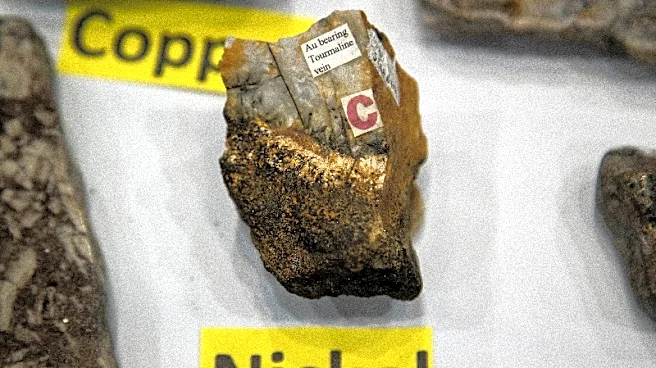
Sherritt International Corp., a Canadian mining company, has entered into a non-binding agreement with Gillon Capital LLC, which is the family office of a former Trump administration adviser. This agreement would allow Gillon to acquire a majority stake
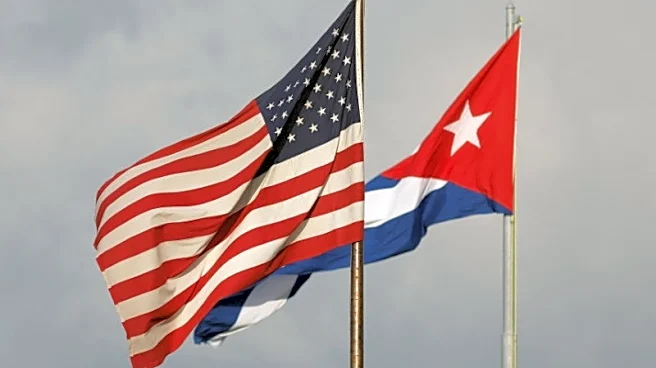
in Sherritt. The deal involves Gillon holding a warrant to purchase enough shares to secure a 55% stake in the company. The transaction is expected to be at a discount to Sherritt's closing share price as of May 15. This development comes as Sherritt faces increased pressure from U.S. sanctions on its operations in Cuba. The Trump administration has intensified sanctions, including a de facto fuel blockade, which has impacted Sherritt's joint venture with Nickel Company S.A., a Cuban state-owned entity. Despite these challenges, Sherritt has decided not to dissolve its Cuban interests, reversing an earlier decision. The U.S. departments of State and Treasury have indicated no objections to the ongoing talks between Sherritt and Gillon, although any final deal will require their approval.
Why It's Important?
This potential acquisition is significant as it highlights the impact of U.S. sanctions on international business operations, particularly those involving Cuba. Sherritt's decision to engage with Gillon Capital, despite the geopolitical tensions, underscores the strategic maneuvers companies must undertake to navigate such challenges. The involvement of Gillon Capital, linked to a former Trump administration official, may also reflect broader political and economic dynamics at play. For Sherritt, securing a majority stakeholder like Gillon could provide financial stability and strategic direction amid the ongoing sanctions. This move could influence other companies with Cuban interests, potentially prompting them to seek similar partnerships or divestments to mitigate risks associated with U.S. policies.
What's Next?
The next steps involve securing approval from the U.S. departments of State and Treasury for the deal to proceed. If approved, Gillon Capital will likely take an active role in Sherritt's strategic decisions, particularly concerning its Cuban operations. The outcome of this deal could set a precedent for other companies facing similar sanctions-related challenges. Additionally, the response from the Cuban government and other international stakeholders will be crucial in determining the future of Sherritt's operations in Cuba. The broader implications for U.S.-Cuba relations and international business strategies in sanctioned regions will also be closely monitored.