



What's Happening?
The hotel industry is undergoing a significant transformation, moving beyond the traditional focus on room occupancy and daily rates to a broader value creation model. This shift involves integrating diverse offerings such as dining, wellness, extended-stay
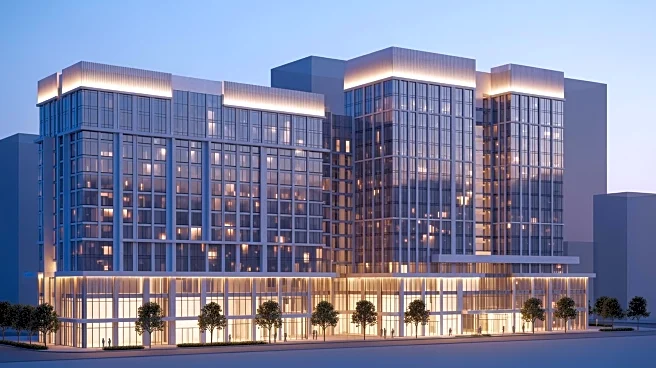
options, and public social spaces into hotel properties. This approach, known as hybrid hospitality, aims to generate multiple revenue streams and enhance asset resilience. Recent trends indicate that hotel owners and developers are increasingly viewing hospitality real estate as multi-use platforms rather than standalone lodging facilities. This change is supported by a rise in global hotel investment volumes, which increased by 22% in 2025, as reported by JLL. The trend is evident in projects like the dual-brand portfolio in Chicago's River North district, which combines hotel accommodations with new restaurant concepts to enhance neighborhood appeal.
Why It's Important?
The shift towards hybrid hospitality is crucial as it reflects changing consumer preferences and economic conditions. By diversifying offerings, hotels can attract a broader customer base, including local residents, business travelers, and leisure guests. This model provides a buffer against market volatility, as properties are less reliant on a single revenue source. For investors, hotels with integrated amenities and services offer stronger place-making characteristics, potentially leading to higher long-term valuations and pricing power. This evolution in the hotel industry aligns with broader trends in real estate, where adaptability and multi-use capabilities are increasingly valued. As development costs rise and investors become more selective, the ability to offer a comprehensive ecosystem around the hotel stay becomes a competitive advantage.
What's Next?
As the hotel industry continues to embrace hybrid hospitality, future developments are likely to focus on enhancing the adaptability and resilience of hotel assets. This may involve further integration of residential, dining, and wellness components, as well as innovative uses of public spaces to attract diverse customer segments. Investors and developers will likely prioritize projects that demonstrate strong potential for multi-use applications and long-term value creation. Additionally, as the market for hybrid hospitality grows, there may be increased competition among hotel brands to differentiate their offerings and capture market share. This could lead to more creative and unique hotel concepts that cater to evolving consumer demands.