



What's Happening?
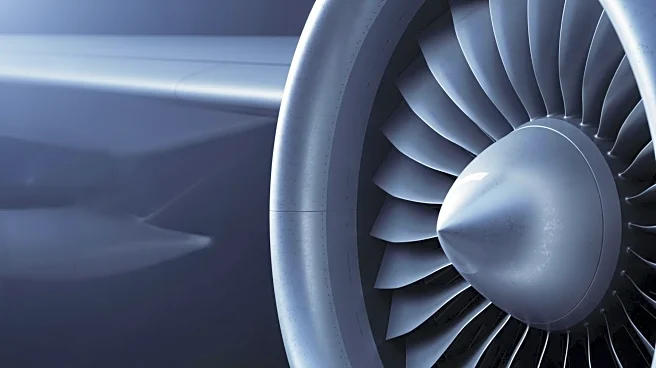
Pratt & Whitney's PW1000G (GTF) engine has faced durability issues, particularly with its high-pressure turbine blades, affecting narrowbody aircraft operations. The GTF-powered Airbus A320 has experienced significant ground days, with operators keeping aircraft grounded for engine inspections and repairs. The cyclical pattern of ground days has persisted, with improvements in engine turnaround times. Other GTF-powered aircraft, such as the A220 and Embraer E2, have also been affected, though to a lesser extent. The CFM International's Leap engine, a competitor, is performing better with fewer ground days.
Why It's Important?
The ongoing issues with the GTF engine highlight the challenges faced by airlines in maintaining operational efficiency and reliability. These
problems can lead to increased maintenance costs and disruptions in flight schedules, impacting airline profitability and customer satisfaction. The situation underscores the importance of robust engine design and maintenance practices in the aerospace industry. It also presents opportunities for competitors like CFM International to capture market share with more reliable engine offerings.
Beyond the Headlines
The durability issues with the GTF engine may prompt regulatory scrutiny and pressure on Pratt & Whitney to enhance its engineering and quality control processes. The situation could also influence future aircraft engine development, with manufacturers prioritizing reliability and ease of maintenance. Additionally, airlines may reconsider their fleet strategies, opting for aircraft with engines that have a proven track record of performance and reliability.