
What's Happening?
Halliburton has launched a new injection system, the XTR CS, designed to improve the reliability and performance of carbon capture, utilization, and storage (CCUS) operations. This system is specifically
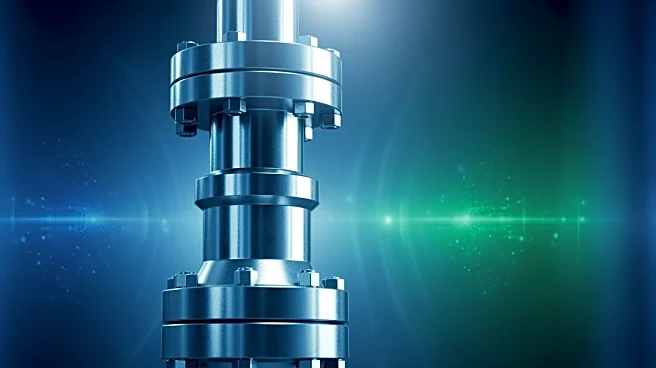
engineered for CO2 injection wells, which often face challenges due to high pressures, temperatures, and corrosive conditions. The XTR CS system is a wireline-retrievable safety valve that can serve as both a primary and contingency safety valve. It can also be used as a deep-set flowback prevention device. The system's non-elastomeric design aims to reduce potential leak paths and eliminate the need for hydraulic control systems, ensuring consistent performance across various depths and conditions. This innovation supports standardized deployment and inventory management, accommodating different injection media and fluid properties while managing pressure drop and maintaining flow performance.
Why It's Important?
The introduction of the XTR CS injection system by Halliburton is significant as it addresses the growing need for reliable and efficient technologies in the expanding field of CCUS. As global efforts to reduce carbon emissions intensify, the demand for effective CO2 injection solutions is increasing. Halliburton's system enhances well integrity and equipment performance, which are critical for the success and regulatory compliance of CCUS projects. This development not only supports environmental goals but also positions Halliburton as a leader in providing advanced solutions for the energy sector. The system's ability to extend service life in high-rate injection environments could lead to cost savings and increased operational efficiency for companies involved in CCUS projects.
What's Next?
As CCUS projects continue to scale globally, the deployment of Halliburton's XTR CS injection system is likely to become more widespread. Companies involved in these projects may adopt this technology to ensure the reliability and safety of their operations. Additionally, regulatory bodies may take an interest in the system's performance as they develop standards and guidelines for CCUS activities. The success of this system could prompt further innovations in wellbore technologies, driving advancements in the industry. Stakeholders, including environmental groups and policymakers, will likely monitor the impact of such technologies on carbon reduction efforts.