






What's Happening?
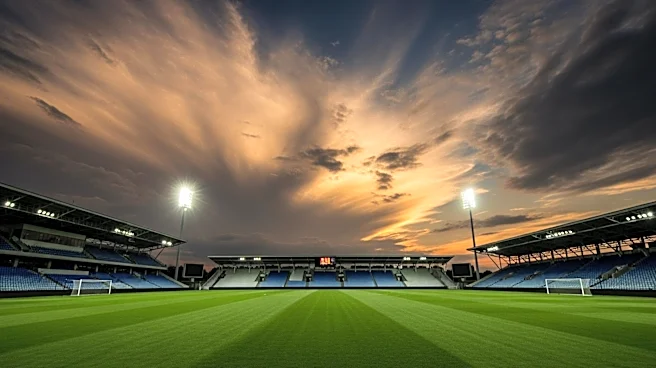
The 2026 World Cup, set to take place across the United States, Mexico, and Canada, coincides with the potential emergence of an El Niño event. According to NOAA, El Niño is a climate pattern characterized by unusually warm surface water in the equatorial
Pacific, which can influence global weather patterns. The tournament, scheduled from June 11 to July 19, 2026, falls during a period when El Niño's impact is typically weaker in the Northern Hemisphere summer. Historically, El Niño events have been more impactful during winter months. The 1998 World Cup in France is noted as the only tournament significantly affected by El Niño, due to the extreme conditions of the 1997-1998 event. NOAA forecasts a below-normal Atlantic hurricane season for 2026, partly due to the developing El Niño, but any weather anomalies during the World Cup would require local attribution rather than being directly linked to El Niño.
Why It's Important?
The potential overlap of the 2026 World Cup with an El Niño event raises questions about weather conditions during the tournament. While El Niño can lead to significant climate impacts, its effects are generally less pronounced during the summer months when the World Cup is held. This means that while the tournament may coincide with an El Niño year, the direct impact on match-day weather is uncertain. The primary concern is the possibility of extreme weather conditions, such as heatwaves or storms, which could affect players and fans. However, NOAA's forecast of a quieter hurricane season suggests that major disruptions are unlikely. The situation highlights the importance of understanding climate patterns and their potential impacts on major international events.
What's Next?
As the 2026 World Cup approaches, organizers and meteorologists will closely monitor the development of El Niño conditions. NOAA's next ENSO discussion is scheduled for June 11, 2026, coinciding with the tournament's opening day. This will provide updated insights into the strength and potential impacts of El Niño. Stakeholders, including tournament organizers and local authorities, will need to prepare for any weather-related challenges, ensuring contingency plans are in place to address extreme conditions. The focus will be on maintaining safety and minimizing disruptions for players, fans, and host cities.