





What's Happening?
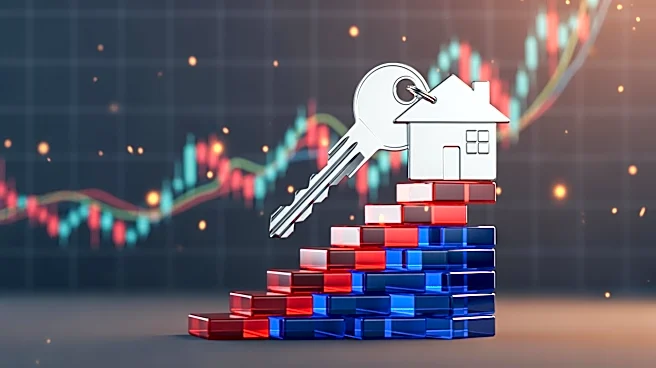
Mortgage rates in the U.S. have continued to rise, leading to a notable shift in consumer behavior towards riskier loan options. According to the Mortgage Bankers Association, the average interest rate for 30-year fixed-rate mortgages increased to 6.56%
last week, marking the highest rate in seven weeks. This increase has resulted in a 2.3% drop in total mortgage application volume. As a consequence, there has been a surge in the demand for adjustable-rate mortgages (ARMs), which now account for nearly 10% of total applications, the highest since October 2025. ARMs are considered riskier due to their rates resetting after a fixed period. The average rate on a five-year ARM was reported at 5.76%. The rise in mortgage rates is attributed to ongoing inflation concerns and rising global public debt, which have pushed Treasury yields higher.
Why It's Important?
The increase in mortgage rates and the subsequent shift towards riskier loan options have significant implications for the U.S. housing market and economy. Higher mortgage rates can dampen demand for home purchases, affecting both current homeowners looking to refinance and potential homebuyers. The shift towards ARMs indicates that consumers are seeking lower initial rates despite the inherent risks, which could lead to financial instability if rates rise further. This trend reflects broader economic concerns, including inflation and public debt, which are influencing financial markets and consumer behavior. The housing market, a critical component of the U.S. economy, may experience reduced activity, impacting related industries such as construction and real estate.
What's Next?
If mortgage rates continue to rise, it is likely that the demand for ARMs will increase further as consumers seek more affordable options. However, this could lead to increased financial risk for borrowers if interest rates rise significantly in the future. Policymakers and financial institutions may need to address these risks by providing more guidance and support to consumers. Additionally, the broader economic factors driving these rate increases, such as inflation and public debt, will need to be monitored closely to mitigate potential negative impacts on the housing market and economy.