


What's Happening?
Automakers BMW and VW are closely monitoring the impact of the ongoing conflict in Iran on their supply chains and regional demand. The conflict has exacerbated existing challenges, including tariffs imposed by President Trump, which have cost automakers
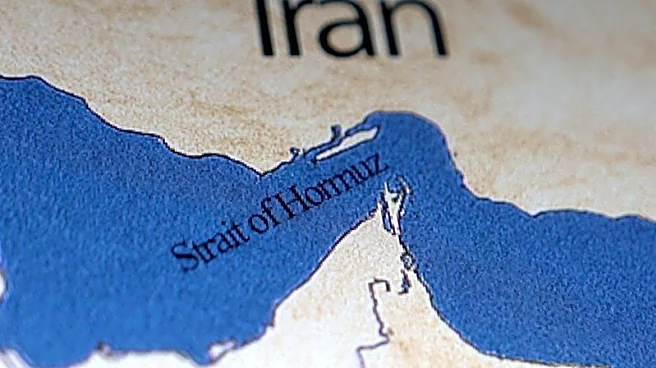
at least $35 billion since 2025. The Strait of Hormuz crisis has further complicated the situation, affecting the supply of critical materials and components. Automakers are assessing the potential disruptions to their operations and exploring strategies to mitigate the impact.
Why It's Important?
The conflict in Iran poses a significant risk to the global automotive industry, which relies heavily on complex supply chains. Disruptions in the supply of materials and components could lead to production delays and increased costs for automakers. The situation underscores the vulnerability of global supply chains to geopolitical events and the need for companies to develop resilient strategies. The automotive industry is already facing challenges from tariffs and trade policies, and the Iran conflict adds another layer of complexity.
What's Next?
Automakers are likely to explore alternative supply chain strategies to mitigate the impact of the Iran conflict. This may include diversifying suppliers, increasing inventory levels, and investing in supply chain resilience. The industry will also be closely monitoring developments in the Middle East and adjusting their strategies accordingly. The situation may prompt a reevaluation of trade policies and strategies to reduce dependency on volatile regions.