





What's Happening?
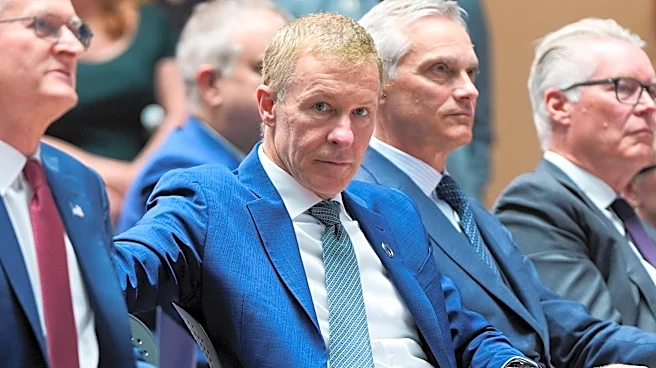
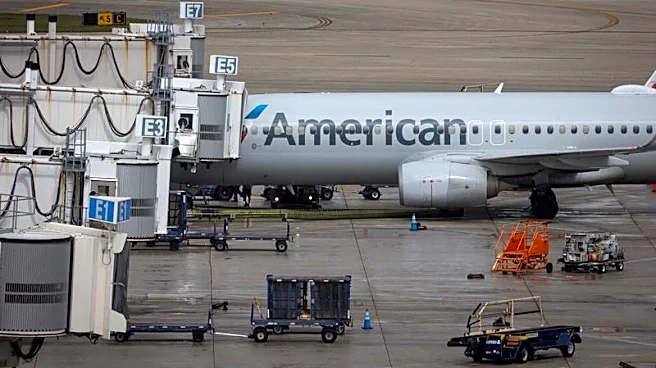
United Airlines CEO Scott Kirby confirmed that the airline's proposal to merge with American Airlines has been rejected. Kirby had envisioned the merger as a way to create the largest global carrier, enhancing competition with international airlines.
However, American Airlines' leadership declined to engage in discussions, citing concerns about anti-competitive effects. The proposal was seen as a departure from typical mergers, which often involve struggling carriers, and was focused on growth and expanding service. Despite the rejection, United Airlines will continue to compete with American Airlines, particularly in key markets like Chicago.
Why It's Important?
The rejection of the merger proposal is significant as it highlights the complexities and challenges of large-scale mergers in the airline industry. Such mergers are often scrutinized for their potential to reduce competition and negatively impact consumers. The decision also reflects broader concerns about market consolidation and its effects on pricing and service options for travelers. The outcome may influence future merger considerations and regulatory approaches in the industry, as well as the competitive dynamics between major U.S. airlines.
What's Next?
Following the rejection, United Airlines will focus on its independent strategy, aiming to enhance its market position through innovation and service improvements. The airline will continue to compete with American Airlines and other carriers, particularly in strategic markets. The decision may also prompt further regulatory scrutiny and discussions about the implications of airline mergers on competition and consumer choice. Additionally, the outcome could influence future merger proposals and strategies within the industry.