
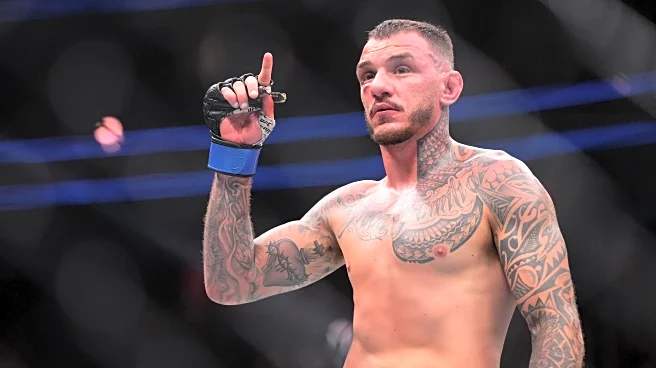
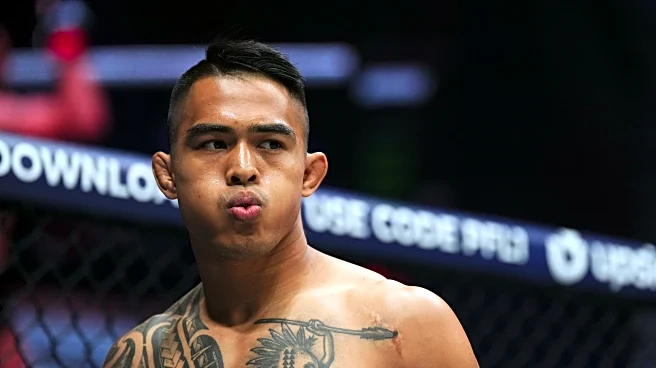

What's Happening?
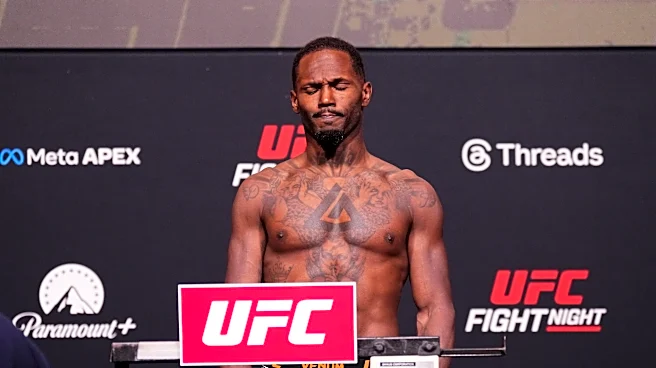
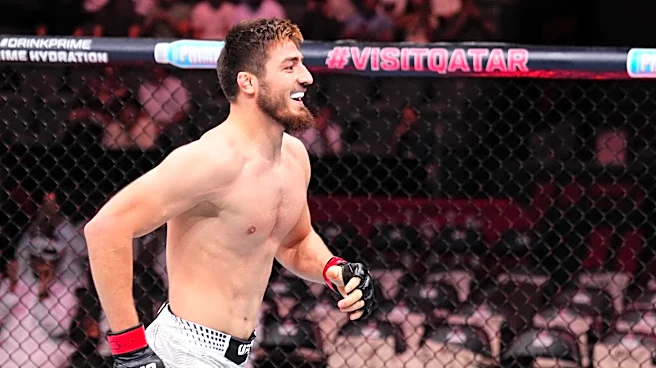
During the UFC Vegas 115 weigh-ins, three fighters failed to make weight, causing disruptions in the event's lineup. Darrius Flowers, Rafael Estevam, and Abdul Rakhman Yakhyaev all exceeded their respective weight limits. Flowers and Estevam were fined
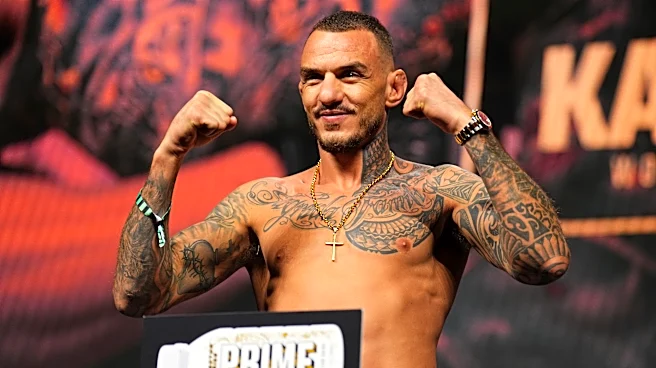
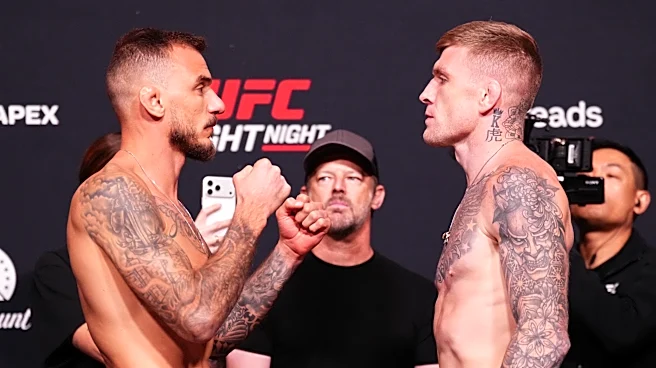
20% of their fight purses, which will be given to their opponents. Yakhyaev was granted an additional hour to make weight and successfully did so on his second attempt. Despite these setbacks, the main event fighters, Renato Moicano and Chris Duncan, as well as co-headliners Virna Jandiroba and Tabatha Ricci, successfully made weight for their bouts.
Why It's Important?
Missing weight is a significant issue in combat sports, as it can affect the fairness and safety of the competition. Fighters who fail to make weight often face financial penalties and may lose competitive advantages. The situation at UFC Vegas 115 highlights the challenges fighters face in managing weight cuts and the potential impact on event scheduling and matchups. Ensuring fighters meet weight requirements is crucial for maintaining the integrity of the sport and ensuring fair competition.
What's Next?
The UFC and other combat sports organizations may continue to evaluate and adjust their policies regarding weight management and penalties for missing weight. This could include stricter enforcement of weight limits, increased monitoring of fighters' weight-cutting practices, and potential changes to weight class structures. Fighters and their teams may also seek to improve their weight management strategies to avoid penalties and ensure they are in peak condition for competition.
Beyond the Headlines
The issue of weight cutting in combat sports raises broader questions about athlete health and safety. Extreme weight-cutting practices can pose significant health risks, including dehydration and organ damage. There is ongoing debate within the sports community about how to balance competitive fairness with athlete well-being. Addressing these concerns may require collaboration between sports organizations, medical professionals, and athletes to develop safer and more sustainable practices.