






What's Happening?
Salt Lake City recently hosted its 40th annual Living Traditions Festival, a free event celebrating diverse cultures, traditions, and communities at the Civic Center. The festival, organized in collaboration with the Utah Division of Arts and Museums
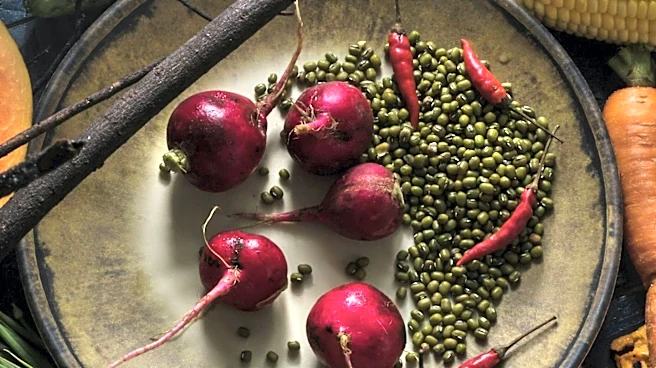
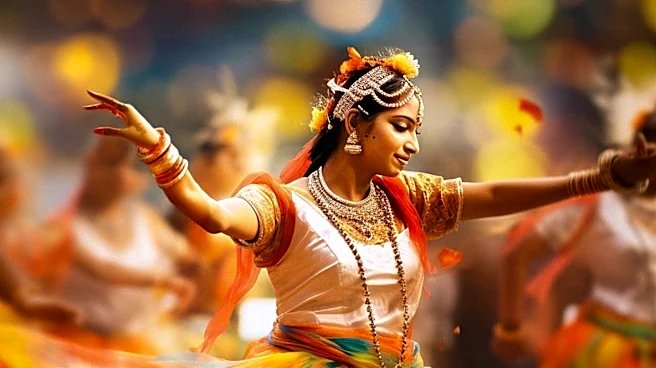
and the Smithsonian Folklife Festival, aimed to foster understanding and belonging through traditional music, dance, crafts, and food. Performances included traditional dances and music from Native American tribes, China, Greece, Tibet, Mexico, and more. Notable performances featured the Inuit tradition-preserving group Pamyua from Alaska and the Preservation Hall Jazz Band from New Orleans. The festival also offered craft booths where visitors could learn and create traditional crafts such as beadwork, basket weaving, and pottery. An international food market showcased traditional cuisines from various cultures, with food demonstrations by chefs like Elena Terry of the Ho-Chunk Nation, who emphasized a 'seed-to-table' approach.
Why It's Important?
The Living Traditions Festival plays a crucial role in promoting cultural diversity and understanding within the Salt Lake City community. By showcasing a wide array of cultural performances, crafts, and foods, the festival helps preserve and celebrate the rich heritage of the many communities that call Utah home. This event not only provides a platform for cultural expression but also educates attendees about the traditions and histories of different cultures, fostering a sense of unity and appreciation among diverse groups. The festival's emphasis on traditional arts and crafts, supported by the National Endowment for the Arts, highlights the importance of preserving cultural heritage and passing it on to future generations. Such events can strengthen community ties and promote inclusivity, making them vital for social cohesion in increasingly diverse societies.
What's Next?
As the Living Traditions Festival continues to grow, organizers may look to expand its reach and impact by incorporating more diverse cultural groups and performances. Future festivals could include additional interactive workshops and educational sessions to deepen attendees' understanding of the cultural significance behind the showcased traditions. The success of this year's festival may encourage other cities to host similar events, promoting cultural exchange and understanding on a broader scale. Additionally, ongoing support from organizations like the National Endowment for the Arts will be crucial in sustaining and expanding these cultural celebrations.
Beyond the Headlines
The festival's focus on traditional crafts and foods not only preserves cultural heritage but also supports local artisans and chefs, providing them with a platform to showcase their skills and share their stories. This can lead to increased economic opportunities for these individuals and their communities. Moreover, the festival's emphasis on storytelling and cultural education can help combat stereotypes and misconceptions about different cultures, promoting a more nuanced understanding of cultural diversity. As such events gain popularity, they may inspire similar initiatives in other regions, contributing to a broader cultural renaissance and appreciation for traditional arts and crafts.