





What's Happening?
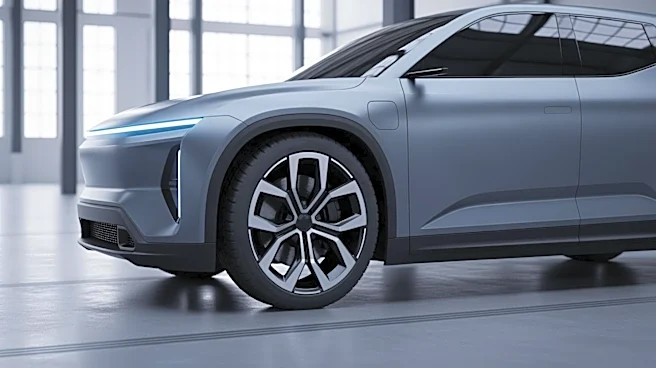
Volkswagen has announced the cessation of production for its ID.4 electric SUV at its Chattanooga, Tennessee plant. This decision is expected to result in a significant financial impact on the company's first-quarter earnings. Analysts have projected
that Volkswagen will incur a charge of 60% to 75% of its $800 million investment in the plant. The halt in production is attributed to challenges in the U.S. electric vehicle market, particularly following the expiration of a $7,500 federal tax credit for EV purchases. Despite the immediate financial hit, Volkswagen anticipates long-term benefits from discontinuing the sale of what it considers an unprofitable vehicle in the U.S. market.
Why It's Important?
The decision by Volkswagen to halt production of the ID.4 in the U.S. highlights broader challenges facing the electric vehicle industry. The removal of federal tax incentives has led to a decrease in demand for EVs, prompting several automakers to reassess their production strategies. This move by Volkswagen could signal a shift back towards gasoline-powered vehicles, affecting the overall trajectory of the EV market in the U.S. The financial implications for Volkswagen are significant, as the company must absorb a substantial writedown, impacting its short-term profitability. However, the decision may ultimately benefit Volkswagen by allowing it to focus on more profitable ventures.
What's Next?
Volkswagen's decision may prompt other automakers to reevaluate their EV production plans in the U.S., especially if market conditions remain challenging. The industry may see a temporary slowdown in EV adoption as companies adjust to the new economic landscape without federal incentives. Volkswagen will likely focus on optimizing its production and sales strategies to mitigate the financial impact of this decision. Additionally, the company may explore alternative markets or models that align better with current consumer demand and regulatory environments.