





What's Happening?
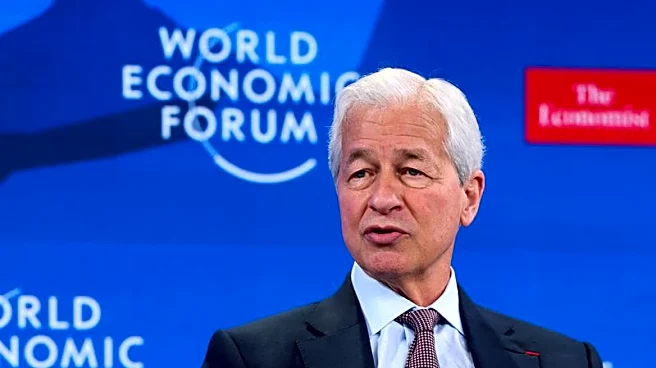
JPMorgan Chase CEO Jamie Dimon has warned that the ongoing conflict in Iran could lead to renewed inflation pressures in the U.S. economy. In his annual shareholder letter, Dimon described inflation as the potential 'skunk at the party,' cautioning that disruptions
in global energy markets could affect everything from gasoline prices to manufacturing costs. He noted that sustained inflation could force the Federal Reserve to keep interest rates higher for longer, posing risks to the broader economy and financial system. Despite these concerns, Dimon expressed optimism about the resilience of the U.S. economy, highlighting continued consumer spending and business health.
Why It's Important?
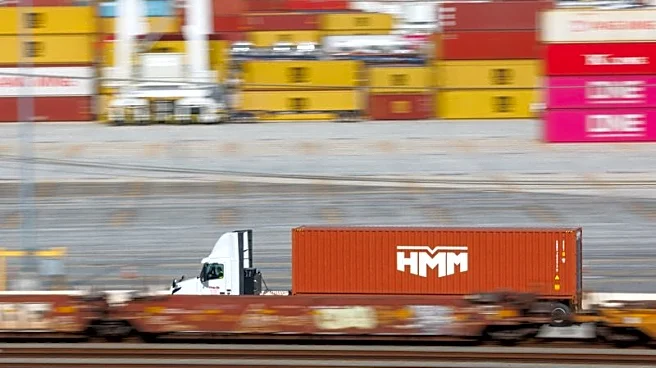
Dimon's warning underscores the potential economic impact of geopolitical tensions, particularly in the energy sector. Rising inflation could lead to higher borrowing costs and slow economic growth, affecting businesses and consumers alike. The Federal Reserve's response to inflationary pressures will be closely watched, as it balances the need to support economic growth with the risk of overheating. Dimon's comments also highlight the interconnectedness of global supply chains and the potential for regional conflicts to have widespread economic implications.
What's Next?
The Federal Reserve's monetary policy decisions will be critical in the coming months, as it navigates the challenges posed by inflation and geopolitical tensions. Businesses may need to adjust their strategies to cope with rising costs and supply chain disruptions. The ongoing conflict in Iran and its impact on global energy markets will be closely monitored by policymakers and market participants, as they assess the potential for further escalation and its impact on the global economy.