



What's Happening?
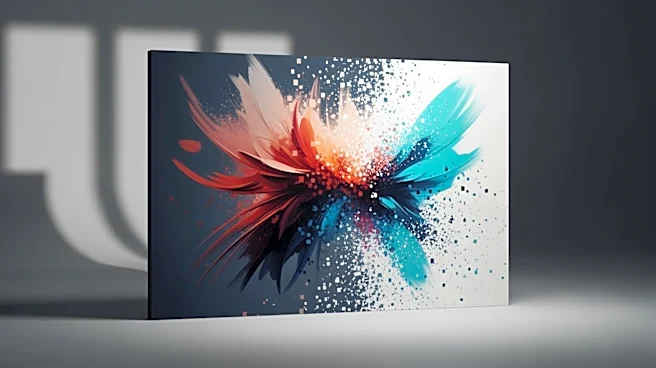
The rise of AI image generators has sparked significant controversy in the art world, with artists claiming that their works are being used without consent or compensation. These AI tools scrape vast amounts of artwork from the internet to create new
images, leading to accusations of what some describe as the 'greatest art heist in history.' Artists like Molly Crabapple have voiced concerns over the ethical implications and the impact on creative industries. The debate centers around the balance between technological advancement and the protection of intellectual property rights.
Why It's Important?
This controversy highlights the broader implications of AI technology on creative industries, raising questions about copyright, consent, and the future of artistic work. The use of AI in generating art challenges traditional notions of creativity and ownership, potentially undermining the livelihoods of artists. As AI continues to evolve, it poses a threat to jobs in creative fields, prompting calls for stricter regulations and ethical guidelines. The situation underscores the need for a dialogue between tech companies, artists, and policymakers to address these challenges and protect artistic integrity.
Beyond the Headlines
Beyond the immediate concerns of copyright infringement, the use of AI in art raises deeper ethical questions about the role of technology in society. The potential for AI to replace human creativity could lead to a cultural shift where art is commodified and devalued. This development also reflects a broader trend of technological disruption across various sectors, where the benefits of innovation must be weighed against the societal costs. The ongoing legal battles and public discourse will likely shape the future of AI's role in creative industries and influence how society values human creativity.