



What's Happening?
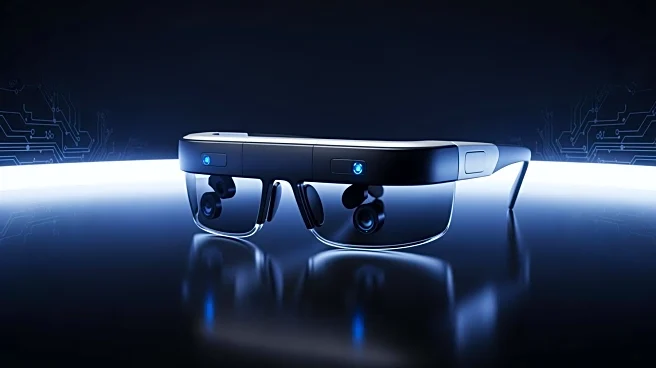
Snap Inc. has announced the creation of a new subsidiary, Specs Inc., on January 28, 2026, as part of its strategy to attract minority investment and partners for its augmented reality (AR) glasses. This move is seen as a significant step towards commercializing AR technology, with Snap planning to hire nearly 100 roles to support the product's development and launch. The announcement comes amid a broader industry trend where companies are spinning off units and cutting virtual reality (VR) staff while promising new consumer AR glasses within the year. Samsung has also confirmed that its AR glasses will ship in 2026, adding competitive pressure to the market. Meanwhile, Meta has reduced its Reality Labs staff but continues to plan substantial
spending on AI and hardware in 2026.
Why It's Important?
The establishment of Specs Inc. by Snap is a strategic move to secure investment and accelerate the development of AR glasses, which are expected to become a significant consumer technology. This development highlights the growing interest and competition in the AR market, with major players like Samsung and Meta also making significant moves. For consumers, this could mean more options and advancements in AR technology, potentially leading to more integrated and user-friendly devices. For developers and investors, the focus on AR suggests a shift in the tech landscape, where augmented reality could become a central platform for new applications and services.
What's Next?
As Snap ramps up hiring and development for Specs Inc., the industry can expect early consumer trials of AR glasses to begin soon. This could lead to limited consumer stock-keeping units (SKUs) before a wider launch. The competitive landscape will likely see further developments as companies like Samsung and Meta continue to push their AR initiatives. The success of these ventures will depend on the ability to integrate AR technology seamlessly into everyday life and the development of robust ecosystems that support these new devices.
Beyond the Headlines
The push towards AR technology raises questions about privacy and data security, as these devices will likely collect and process significant amounts of personal data. Additionally, the integration of AR into daily life could lead to cultural shifts in how people interact with technology and each other. The success of AR glasses will also depend on overcoming technical challenges, such as creating lightweight, stylish designs that appeal to consumers while providing advanced functionality.