









What's Happening?
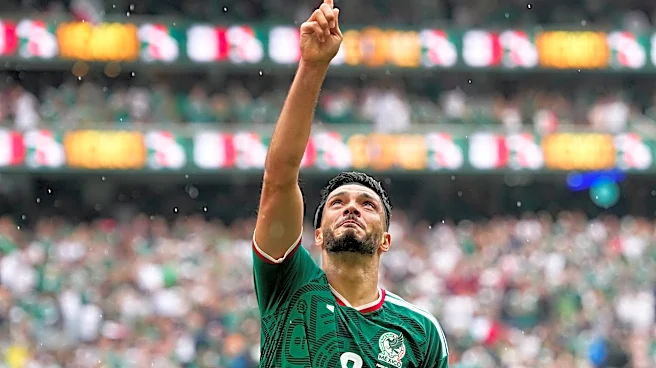
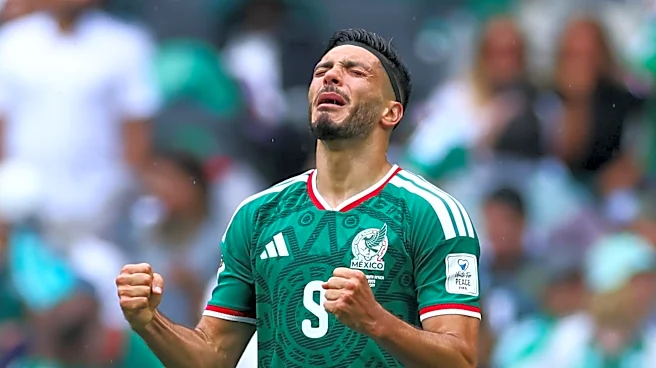
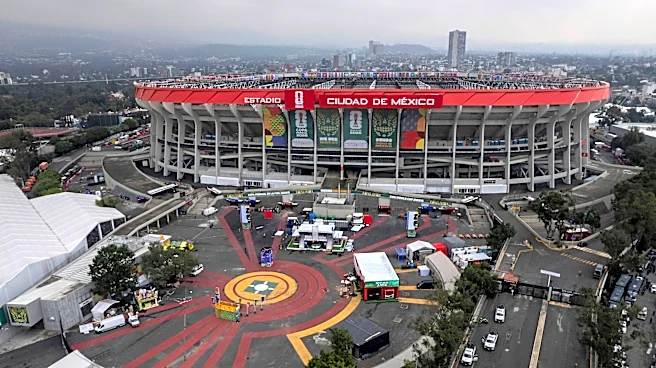
The 2026 FIFA World Cup has officially commenced, marking the start of the largest tournament in the event's history. The opening match features co-hosts Mexico facing off against South Africa in Mexico City. This tournament is notable for its expanded
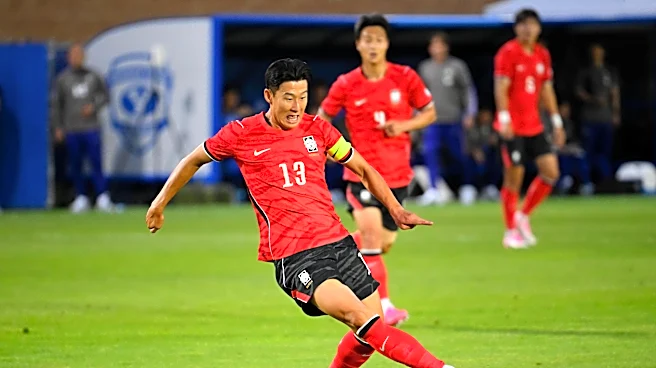
format, with 48 teams participating across various venues in North America. The event promises a series of exciting matches, with Czechia set to play against South Korea in Guadalajara later today. The World Cup is expected to draw significant global attention, with extensive coverage and updates provided by reporters stationed across the continent.
Why It's Important?
The 2026 FIFA World Cup is significant as it represents the first time the tournament is being hosted by three countries: the United States, Canada, and Mexico. This expansion to 48 teams is expected to increase global viewership and participation, potentially boosting tourism and economic activity in the host nations. The event also provides an opportunity for emerging soccer talents to showcase their skills on an international stage, potentially influencing future transfers and careers. Additionally, the tournament's success could impact the future of soccer in North America, promoting the sport's growth and popularity.
What's Next?
As the tournament progresses, attention will shift to the performance of various teams and players, with analysts and fans closely monitoring potential breakout stars and key matches. The outcomes of these games will influence the tournament's dynamics, with teams vying for a place in the knockout stages. Host nations will continue to focus on logistics and security to ensure a smooth event. The tournament's success could lead to further discussions about the format and hosting of future World Cups, potentially setting a precedent for multi-nation hosting.