







What's Happening?
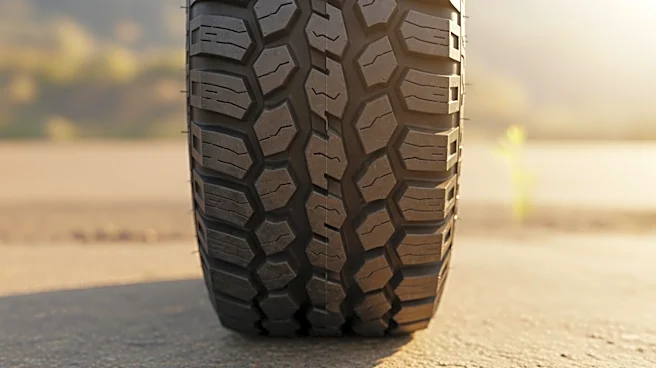
The U.S. off-the-road (OTR) tire market is transitioning from a period of volatility to a focus on value, with expectations for modest growth in 2026. According to industry experts, the market has been largely driven by replacement demand rather than
new developments. The mining tire sector has remained stable, supported by consistent mining activity and strong commodity prices. In contrast, the construction tire market has experienced mixed results, with public infrastructure projects and commercial construction offsetting slower residential construction. Dealers have adjusted to higher interest rates by managing inventory more cautiously, focusing on maintaining equipment uptime rather than stocking excess inventory. This shift has led to increased pressure on dealers to respond quickly to customer needs.
Why It's Important?
The shift in the U.S. OTR tire market reflects broader economic trends and the impact of public infrastructure investments. The focus on replacement demand highlights the importance of maintaining existing equipment in the face of economic uncertainties and high interest rates. This trend benefits sectors like mining and public infrastructure, which continue to drive demand for OTR tires. The market's emphasis on value and cost-efficiency is crucial for dealers and manufacturers as they navigate a competitive landscape. The ongoing expansion of data centers and infrastructure projects is expected to support demand, while the construction sector's performance will be closely tied to public funding and economic conditions.
What's Next?
Looking ahead, the U.S. OTR tire market is expected to see stable to modest growth, driven primarily by replacement demand. Public construction activity and infrastructure projects are anticipated to continue supporting the market. As interest rates potentially decline, new home construction and private-sector building activity may improve, further bolstering demand. Dealers and manufacturers will need to focus on providing consistent value and service to remain competitive. The market is likely to remain disciplined, with purchasing decisions driven by practical needs rather than speculative growth.