








What's Happening?
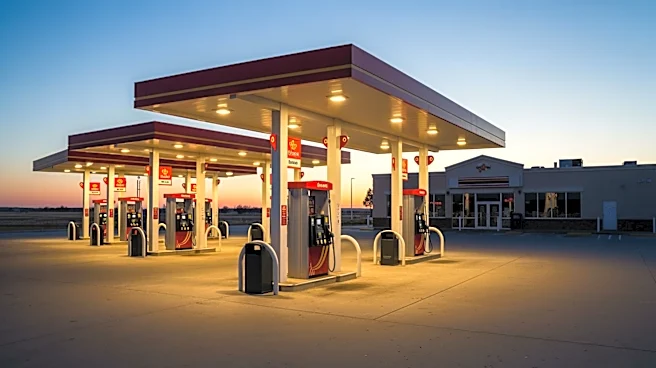
Casey's General Stores has announced the sale of 41 stores during its fiscal year 2026, including 10 locations acquired from CEFCO Convenience Stores, marking its exit from the Mississippi market. The decision to divest these stores was part of a strategic
move to shed underperforming assets and focus on long-term growth. The company sold these stores for a total of $42 million, as stated by Casey's CFO Stephen P. Bramlage during the company's earnings call. Despite this divestiture, Casey's plans to expand by opening at least 120 new stores in fiscal 2027 through a combination of mergers, acquisitions, and new construction. The company is particularly optimistic about its growth prospects in Texas and plans to focus on expanding north and west of its current geographic footprint.
Why It's Important?
The sale of these stores and Casey's exit from Mississippi reflect a strategic realignment aimed at optimizing the company's asset portfolio and focusing on more profitable markets. This move is significant for Casey's as it seeks to enhance its competitive position and financial performance by concentrating resources in areas with higher growth potential. The planned expansion into new markets, particularly in Texas, indicates a shift towards regions where the company sees greater opportunities for return on investment. This strategy could potentially increase Casey's market share and influence in the convenience store sector, impacting competitors and possibly leading to changes in market dynamics.
What's Next?
Casey's plans to open 120 new stores in fiscal 2027 suggest a robust growth strategy that will likely involve significant capital investment and operational adjustments. The company's focus on expanding in Texas and other promising regions could lead to increased competition in these areas, prompting responses from local and national convenience store chains. Additionally, Casey's strategic decisions may influence investor perceptions and stock performance, as stakeholders assess the potential for increased profitability and market presence. The company's ability to successfully integrate new acquisitions and manage new store openings will be critical to achieving its growth objectives.