

What's Happening?
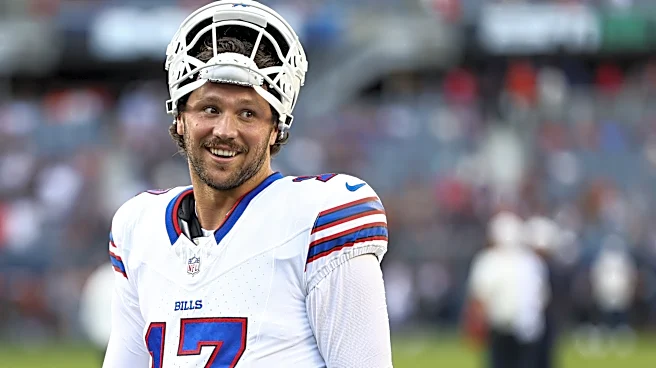
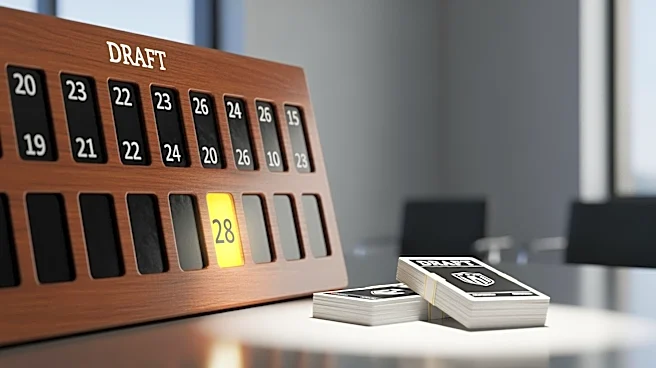
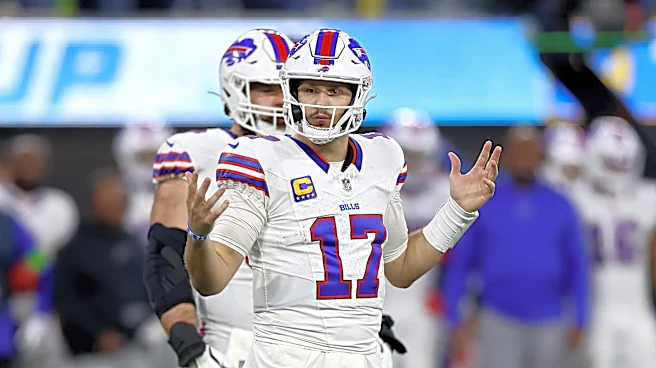
The Buffalo Bills have strategically maneuvered through the 2026 NFL Draft by executing multiple trades to enhance their draft capital. Initially, the Bills traded their 26th overall pick to the Houston Texans, receiving the 28th, 69th, and 167th picks
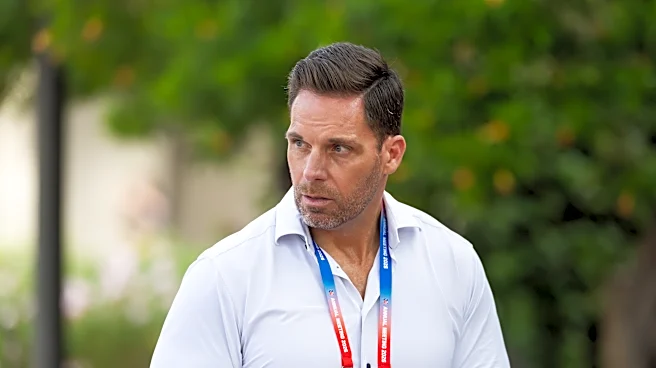
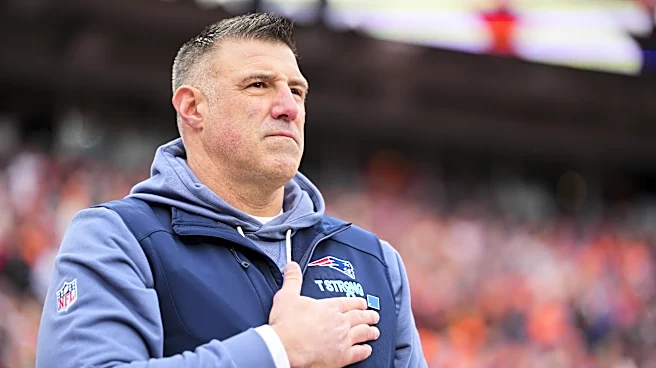
in return. Subsequently, they traded the 28th pick to the New England Patriots, acquiring the 31st and 125th picks. This series of trades allowed the Bills to move down in the draft order while accumulating additional picks. The team's general manager, Brandon Beane, appears to be focusing on building depth and flexibility within the roster as the draft progresses. The trades reflect a strategic approach to address both defensive and offensive needs by acquiring more selections in the later rounds.
Why It's Important?
These trades are significant as they demonstrate the Buffalo Bills' commitment to long-term team building by prioritizing depth over immediate high-value picks. By trading down, the Bills have positioned themselves to select multiple players who can contribute to various aspects of the team, rather than focusing on a single high-profile player. This approach could potentially strengthen the team's overall roster, providing more options for player development and addressing specific team needs. The additional picks acquired through these trades could be used to bolster both the defensive and offensive lines, which are crucial for the team's success in the upcoming season. This strategy may also influence other teams in the league to consider similar approaches in future drafts.
What's Next?
Following these trades, the Buffalo Bills will focus on utilizing their newly acquired draft picks to select players who fit their strategic needs. The team will likely target prospects who can provide immediate impact as well as those with potential for future development. The next steps involve careful evaluation of available players to ensure that the selections align with the team's long-term goals. Additionally, the Bills' moves may prompt reactions from other teams, potentially leading to further trades as the draft continues. The team's management will need to remain agile and responsive to opportunities that arise during the remaining rounds of the draft.