



What's Happening?
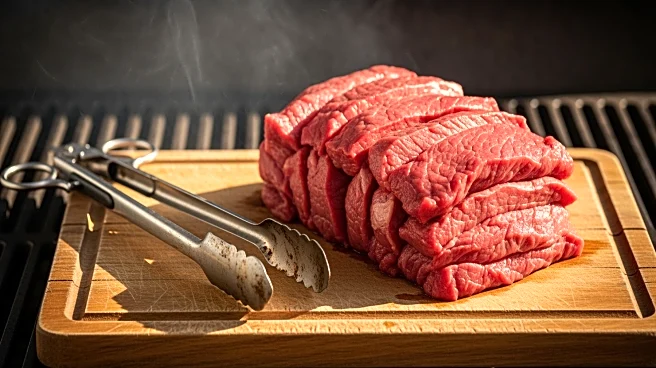
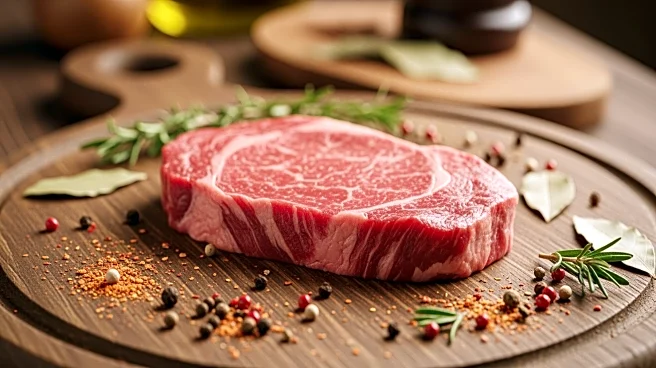
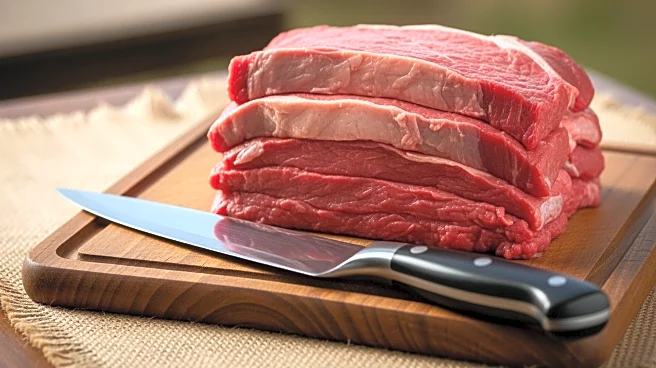
Texas Agriculture Commissioner Sid Miller has raised concerns about the impact of rising beef prices on local ranchers and barbecue restaurants in Texas. The increase in beef prices is attributed to a dwindling cattle supply, which has led to higher costs for consumers and businesses alike. Travis Meckel, a local rancher, emphasizes the importance of buying beef directly from ranchers to manage grocery costs. The U.S. Bureau of Labor Statistics reports that the average price of ground beef reached $6.69 per pound in January. In response to the situation, President Trump has made a temporary agreement to increase beef imports from Argentina to help stabilize prices. However, Miller warns that this is only a temporary solution and could worsen
the agriculture trade deficit. Despite these challenges, Meckel notes that he has not experienced a supply issue and remains optimistic about the current cattle numbers.
Why It's Important?
The rising beef prices have significant implications for the Texas economy, particularly affecting local ranchers and barbecue restaurants. As beef prices climb, consumers face higher grocery bills, and businesses struggle to maintain profitability. The temporary import deal with Argentina aims to alleviate some pressure, but it also highlights the vulnerability of the U.S. cattle industry to supply shortages. The situation underscores the need for sustainable solutions to rebuild the cattle herd and stabilize the market. If prices continue to rise, it could lead to more closures of barbecue spots, a staple of Texas culture, and further strain on local economies. Additionally, the reliance on imports could have long-term effects on the U.S. agriculture trade balance.
What's Next?
The focus will likely shift towards finding long-term solutions to rebuild the cattle herd and stabilize beef prices. Stakeholders, including ranchers, policymakers, and industry leaders, may need to collaborate on strategies to increase cattle production and reduce dependency on imports. The temporary import deal with Argentina will be closely monitored to assess its impact on prices and the trade deficit. Meanwhile, local ranchers like Travis Meckel will continue to advocate for direct consumer purchases to support the local economy. The outcome of these efforts will be crucial in determining the future of the Texas beef industry and its cultural icons, such as barbecue restaurants.