




What's Happening?
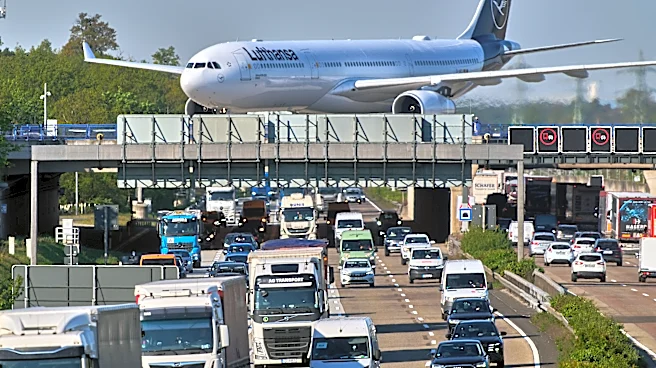
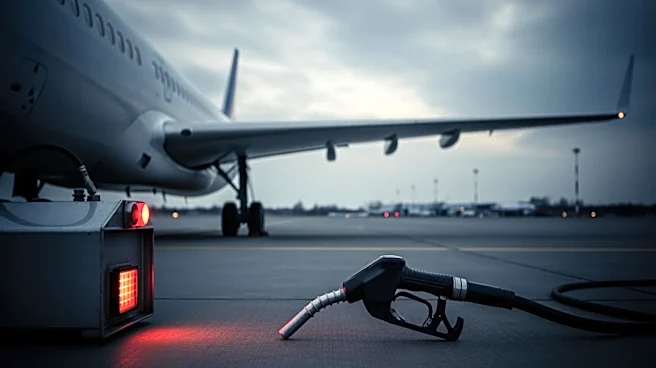
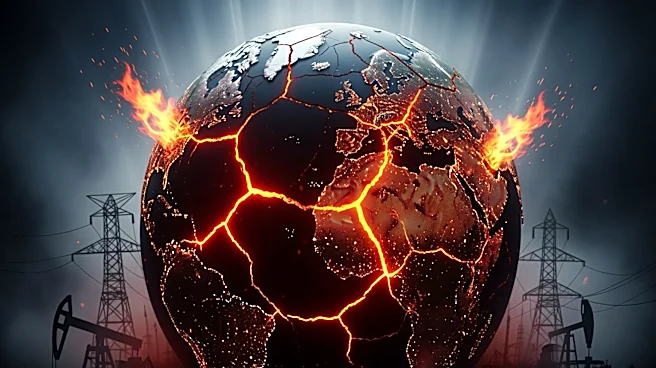
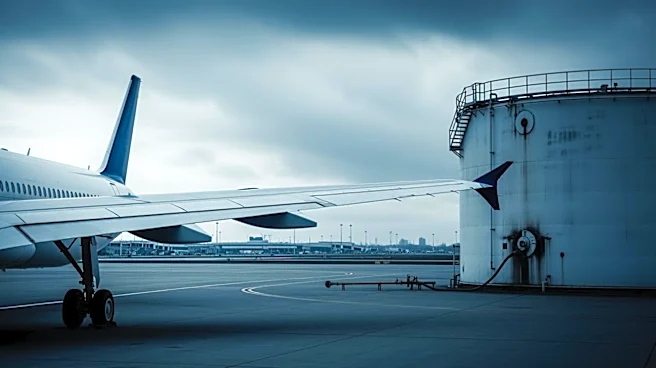
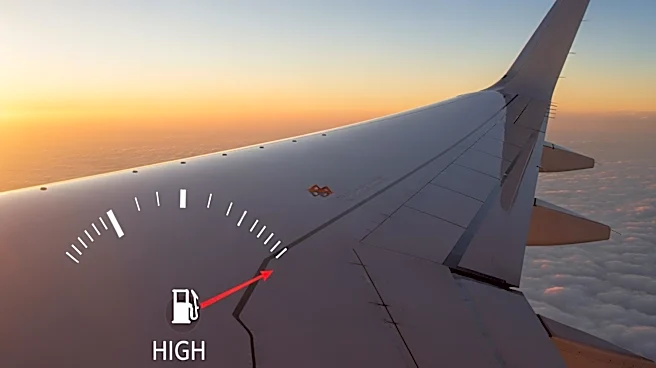
Lufthansa has announced the cancellation of 20,000 flights between May and October due to a jet fuel crisis exacerbated by the ongoing conflict in Iran. The closure of the Strait of Hormuz has disrupted global oil flows, leading to fuel shortages and surging
prices. The airline aims to save approximately 40,000 metric tons of jet fuel, as prices have doubled since the conflict began. Other airlines, including KLM, are also facing similar challenges, with cancellations and price hikes expected as the summer holiday period approaches. The European Union is exploring measures to manage fuel shortages and maintain air travel.
Why It's Important?
The jet fuel crisis highlights the vulnerability of the aviation sector to geopolitical events and the potential for widespread disruptions. The cancellation of flights by major carriers like Lufthansa underscores the severity of the situation and its impact on global travel. The crisis also poses a risk to consumer confidence and the broader economy, as air travel is a critical component of international trade and tourism. The need for strategic planning and collaboration among industry stakeholders is crucial in addressing the challenges posed by fuel shortages and ensuring the continuity of air travel.
What's Next?
As the crisis continues, airlines and governments will need to implement measures to manage fuel shortages and mitigate the impact on air travel. This may include exploring alternative fuel sources, enhancing operational efficiency, and leveraging technology to improve scheduling and capacity management. The European Union's plans for collective fuel management and potential distribution of supplies among member states will be critical in maintaining air travel. Ongoing monitoring of geopolitical developments and collaboration among industry stakeholders will be essential in navigating the challenges and ensuring a resilient aviation sector.