






What's Happening?
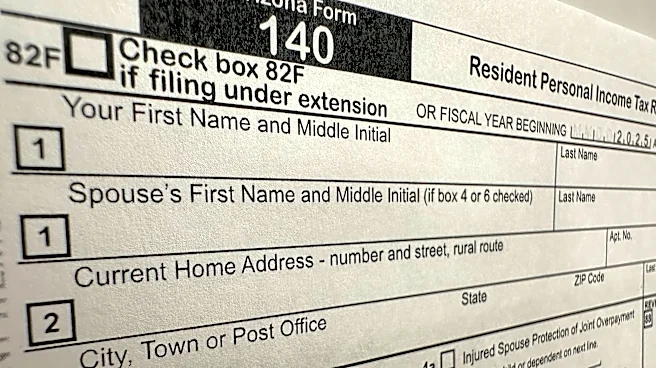
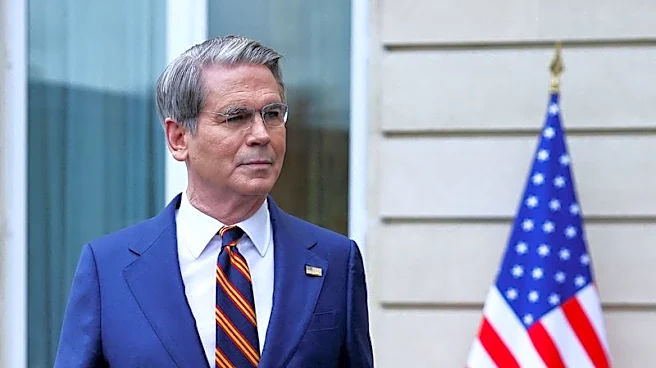
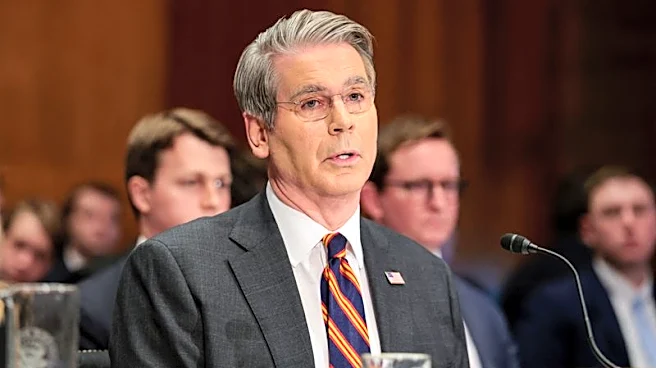
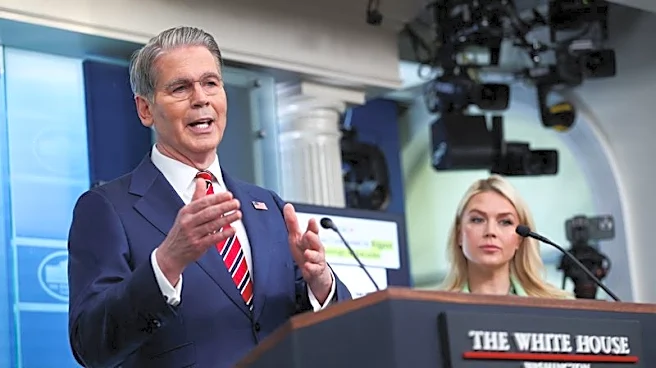
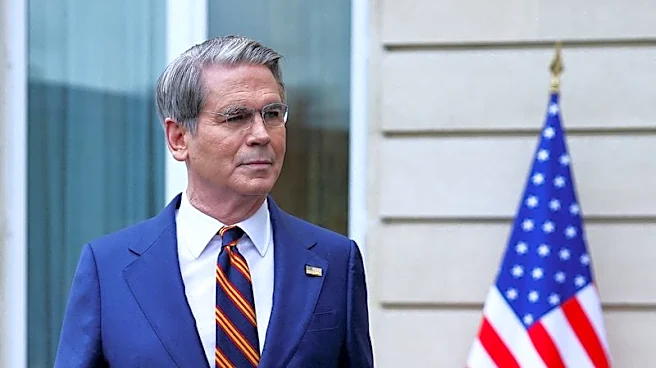
Treasury Secretary Scott Bessent defended President Trump's no-tax-on-overtime policy as a measure to offset the loss of immigrant labor. The policy allows workers to keep more of their earnings from overtime work, aiming to fill labor gaps created by
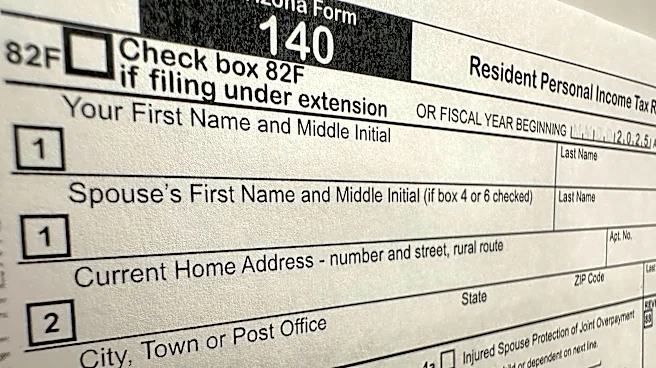
the deportation of illegal immigrants. Bessent highlighted that 45% of taxpayers have benefited from this and other tax reforms, such as no tax on tips and deductions for domestic car loans. The policy is part of Trump's broader economic strategy to boost employment and economic growth.
Why It's Important?
The no-tax-on-overtime policy reflects the Trump administration's approach to addressing labor shortages and stimulating economic activity. By incentivizing overtime work, the policy aims to increase workforce participation and boost disposable income for American workers. However, it also raises questions about the long-term sustainability of relying on overtime to fill labor gaps, particularly in industries heavily dependent on immigrant labor. The policy's impact on the economy and labor market dynamics will be closely watched as the administration continues to implement its economic agenda.
What's Next?
The administration may continue to promote the no-tax-on-overtime policy as part of its economic platform, particularly in the lead-up to the midterm elections. The policy's effectiveness in addressing labor shortages and its impact on the economy will likely be evaluated by economists and policymakers. As the administration navigates economic challenges, including high gasoline prices and inflation, the policy's role in shaping economic outcomes will be a key area of focus. The broader implications for labor market dynamics and immigration policy may also be explored.