



What's Happening?
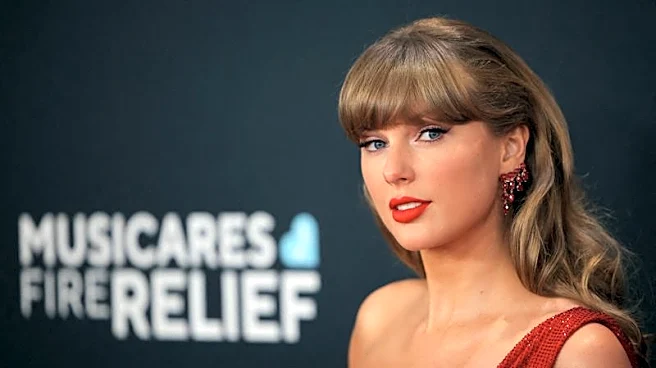
Taylor Swift has filed three new trademark applications aimed at protecting her likeness and voice from unauthorized AI recreations. The filings include two voice recordings of Swift introducing herself and an image of her performing in a specific outfit
during her Eras Tour. This move follows a similar legal strategy employed by actor Matthew McConaughey, who secured trademarks for AI recreations of his iconic movie lines. Swift's legal team is taking these steps to prevent misuse of her identity in AI-generated content, a growing concern in the entertainment industry.
Why It's Important?
The move by Taylor Swift highlights the increasing concern among celebrities about the unauthorized use of their likenesses through AI technology. As AI tools become more sophisticated, the potential for misuse grows, posing significant challenges for intellectual property rights. By securing trademarks, Swift aims to establish legal grounds to combat unauthorized AI recreations, setting a precedent for other artists. This could lead to broader industry-wide measures to protect artists' rights in the digital age, impacting how AI technology is regulated and used in entertainment.
What's Next?
If Swift's trademark applications are approved, it could pave the way for more artists to seek similar protections, potentially leading to new legal standards in the entertainment industry. This may prompt discussions among lawmakers and industry leaders about the need for updated regulations to address AI-related intellectual property issues. Additionally, companies developing AI technologies might face increased scrutiny and pressure to implement safeguards against misuse, influencing future AI development and deployment strategies.