





What's Happening?
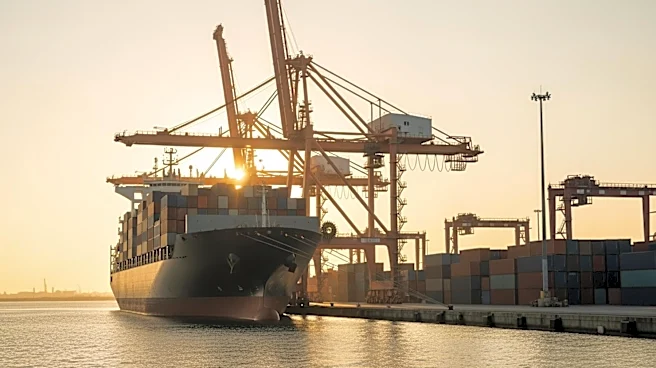
Port Milwaukee marked the beginning of its 2026 international shipping season with the arrival of the Marshall Islands-flagged vessel, Federal Nagara, on April 3. The ship docked at the Logistec terminal to unload specialty steel products, having traveled
through the St. Lawrence Seaway from Spain and Belgium. The Seaway, which opened on March 22, connects the Great Lakes to the Atlantic Ocean and is a crucial trade route for North America. Last year, Port Milwaukee saw 60 international vessel visits, handling over 570,000 metric tons of cargo. The port's international season aligns with the Seaway's operation, lasting approximately nine months each year. This connectivity supports Wisconsin and Midwest farmers, producers, and manufacturers by providing direct access to global markets.
Why It's Important?
The arrival of the Federal Nagara signifies the start of a vital period for Port Milwaukee, enhancing its role as a key trade hub in the Great Lakes region. The port's operations are crucial for the local economy, facilitating the movement of goods to and from international markets. This connectivity not only supports local industries but also strengthens economic ties with Europe, Africa, Asia, and the Middle East. The port's activity is a significant contributor to the regional economy, providing jobs and supporting businesses that rely on international trade. The use of the St. Lawrence Seaway underscores the importance of maintaining and developing infrastructure that supports such trade routes, which are essential for economic growth and competitiveness.
What's Next?
As the 2026 international season progresses, Port Milwaukee is expected to continue receiving vessels from around the world, further boosting trade and economic activity in the region. Stakeholders, including local businesses and government entities, will likely monitor the port's performance and its impact on the local economy. The port's virtual vessel tracker will allow the public and businesses to stay informed about vessel arrivals and departures, facilitating better planning and coordination. Continued investment in port infrastructure and services may be necessary to accommodate growing trade volumes and ensure the port remains competitive in the global market.