


What's Happening?
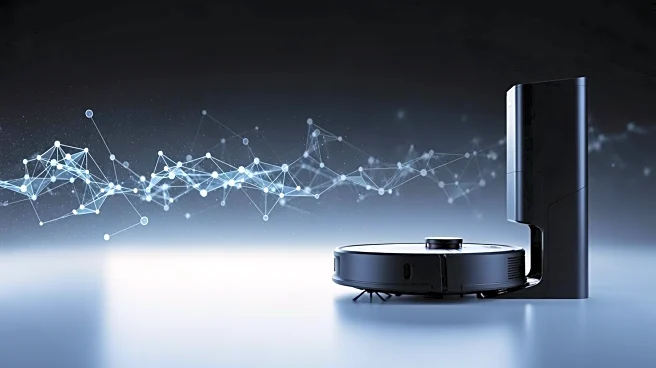
iRobot, the renowned manufacturer of the Roomba robotic vacuum, has filed for bankruptcy and will transfer its assets to its Chinese manufacturing partner, Picea Robotics. This decision marks a significant shift for the company, which has been a leader in the home robotics market for nearly two decades. The move follows a failed acquisition attempt by Amazon, which was blocked by regulators over concerns about market competition. iRobot has faced increasing competition from Chinese companies, which have invested heavily in research and development, outpacing iRobot's capabilities. The company's market share has been declining, particularly in Europe, where it has struggled to maintain its position against lower-cost competitors.
Why It's Important?
The bankruptcy
of iRobot highlights the challenges faced by U.S. tech companies in maintaining competitiveness against well-funded international rivals, particularly from China. The transfer of iRobot's assets to a Chinese company raises concerns about the control of intellectual property and data privacy, as Picea Robotics will now have access to data from millions of Roomba devices worldwide. This development underscores the broader issue of the U.S. innovation economy's vulnerability due to insufficient government support compared to China's robust backing of its tech sector. The situation serves as a cautionary tale for other U.S. robotics companies and policymakers about the need for strategic support to sustain innovation and competitiveness.
What's Next?
With iRobot's assets now under the control of Picea Robotics, the focus will likely shift to how the Chinese company will manage and potentially innovate upon the existing technology. There may be increased scrutiny on data privacy and security, given the sensitive nature of the data collected by Roomba devices. Additionally, this development could prompt U.S. policymakers to reconsider their approach to supporting domestic tech companies, particularly in the face of growing international competition. The robotics industry may see a push for more strategic investments and policies to bolster U.S. companies' ability to compete globally.
Beyond the Headlines
The iRobot bankruptcy raises deeper questions about the future of innovation in the U.S. robotics sector. The loss of a pioneering company like iRobot to foreign ownership could signal a shift in the global balance of technological power. This event may also influence the strategic decisions of other tech companies considering mergers or acquisitions, as regulatory environments become increasingly complex. Furthermore, the situation highlights the importance of balancing innovation with regulatory oversight to ensure fair competition without stifling growth.