



What's Happening?
Novo Nordisk, a leading pharmaceutical company known for its GLP-1 agonists like Ozempic and Wegovy, is experiencing a significant valuation reset as of early 2026. The company, which had been a dominant force in the global equity markets due to its successful
diabetes and obesity treatments, is now facing a series of challenges. These include clinical setbacks, increased competition from Eli Lilly, and a tightening regulatory environment in the United States. The company's stock has seen a dramatic decline, with a nearly 58% drop from its 2024 highs. This downturn is attributed to the 'Great GLP-1 Correction' of late 2025, where high valuations met slowing growth and clinical disappointments.
Why It's Important?
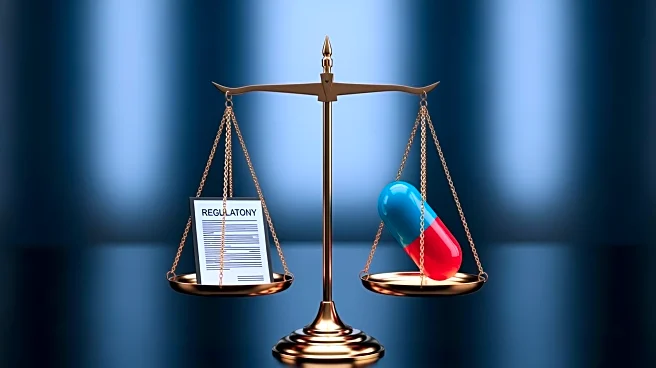
The challenges faced by Novo Nordisk highlight the volatility and competitive nature of the pharmaceutical industry, particularly in the diabetes and obesity treatment markets. The company's struggle to maintain its market position amidst regulatory pressures and competition from Eli Lilly underscores the difficulties in sustaining growth in a rapidly evolving sector. The U.S. regulatory environment, especially concerning drug pricing under the Inflation Reduction Act, poses significant financial implications for Novo Nordisk. The company's ability to navigate these challenges will have broader implications for its financial health and its position in the global pharmaceutical market.
What's Next?
Novo Nordisk is expected to focus on diversifying its product offerings and expanding into new therapeutic areas such as Metabolic Dysfunction-Associated Steatohepatitis (MASH) and cardiovascular outcomes. The company is also likely to pursue mergers and acquisitions to strengthen its position in the cardiovascular and renal spaces. Additionally, Novo Nordisk's appeal to the U.S. Supreme Court regarding the Inflation Reduction Act will be a critical factor in determining its future pricing strategies and market access in the United States. The integration of Catalent's manufacturing sites and the progress of new drug candidates like Zenagamtide will be key indicators of the company's ability to recover and grow.
Beyond the Headlines
The situation with Novo Nordisk reflects broader trends in the pharmaceutical industry, where companies are increasingly pressured to innovate and adapt to regulatory changes. The focus on oral administration of GLP-1 treatments and the shift towards pricing competitiveness highlight the industry's move towards more patient-friendly and cost-effective solutions. Novo Nordisk's challenges also raise questions about the sustainability of high drug prices and the ethical considerations of access to essential medications. The company's response to these challenges will likely influence industry standards and practices in the coming years.