


What's Happening?
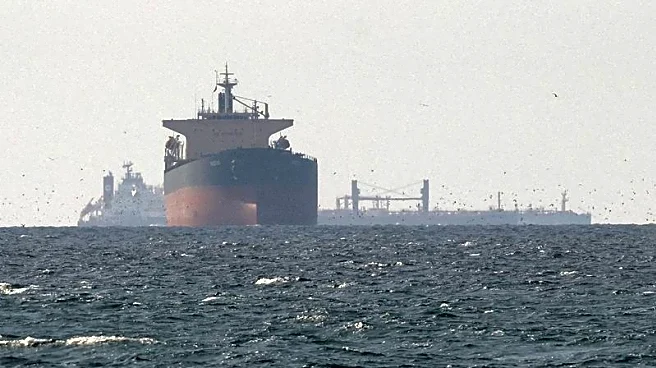
The U.S. Treasury has temporarily lifted sanctions on Russian oil that is currently stranded at sea, in an effort to stabilize global energy markets. This decision, announced by U.S. Treasury Secretary Scott Bessent, is a narrowly tailored, short-term
measure that applies only to oil already in transit. The exemption is set to last until April 11, allowing purchases of Russian crude products loaded on ships on or before March 12. This move comes amid rising energy prices due to tensions with Iran, which have seen oil prices nearing $120 per barrel earlier in the week. The temporary measure is not expected to provide significant financial benefit to the Russian government, according to Bessent.
Why It's Important?
The temporary lifting of sanctions on Russian oil is significant as it aims to address the volatility in global energy markets caused by geopolitical tensions, particularly the conflict involving Iran. By allowing the purchase of Russian oil already at sea, the U.S. seeks to mitigate the impact of rising oil prices on the global economy. This decision reflects the interconnected nature of global energy markets and the need for strategic measures to ensure stability. The move could potentially ease the pressure on energy prices, benefiting consumers and industries reliant on oil. However, it also highlights the complexities of balancing economic interests with geopolitical strategies.
What's Next?
The temporary measure is set to expire on April 11, and it remains to be seen whether further actions will be taken to stabilize energy markets. The U.S. government may need to consider additional strategies if geopolitical tensions continue to impact oil prices. Stakeholders, including energy companies and policymakers, will likely monitor the situation closely to assess the effectiveness of the measure and its impact on the market. Future decisions may involve diplomatic efforts to address the underlying geopolitical issues contributing to market instability.