
What's Happening?
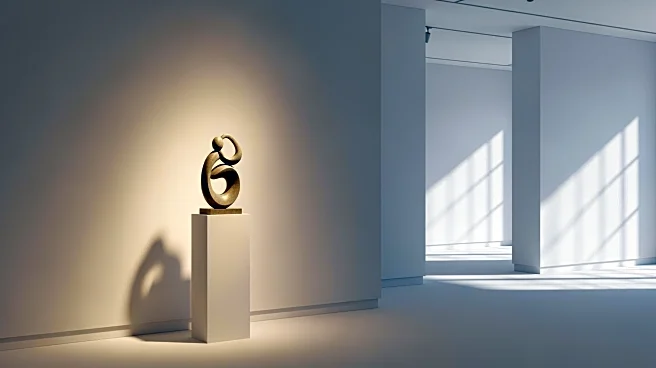
The art market, which faced a downturn in recent years, is showing signs of recovery as 2026 begins. Despite a bleak outlook at the start of 2025, the market experienced a turnaround with successful auction
weeks and art fairs, such as Art Basel Miami Beach. Leading auction houses, Christie's and Sotheby's, reported upticks in projected revenue for 2025, indicating renewed interest and investment in the art sector. Marc Spiegler, former head of Art Basel, discusses these developments and the potential shifts in the art market for 2026. Spiegler, now involved in cultural strategy projects, highlights the nuanced nature of the market's recovery and the end of speculative hype.
Why It's Important?
The recovery of the art market is significant for the broader cultural and economic landscape. It suggests a stabilization of the market after years of decline, which could lead to increased confidence among investors and collectors. The resurgence of interest in art could also stimulate related industries, such as galleries and art fairs, contributing to economic growth. Additionally, the shift away from speculative practices may lead to a more sustainable and authentic art market, focusing on the intrinsic value of art rather than short-term gains.
What's Next?
As the art market continues to recover, stakeholders are likely to focus on long-term strategies to maintain stability and growth. This may involve adapting to new trends, such as digital and experiential art, and exploring innovative ways to engage audiences. The market's recovery could also lead to increased collaboration between cultural institutions and private investors, fostering a more integrated and dynamic art ecosystem.
Beyond the Headlines
The art market's recovery highlights broader cultural shifts, including a renewed appreciation for art's intrinsic value and its role in society. It also underscores the importance of adaptability and innovation in navigating economic challenges. As the market evolves, there may be opportunities to redefine the relationship between art, technology, and commerce, potentially leading to new forms of artistic expression and engagement.