




What's Happening?
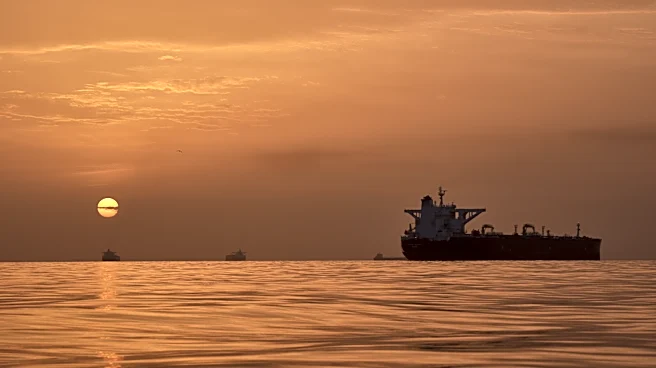
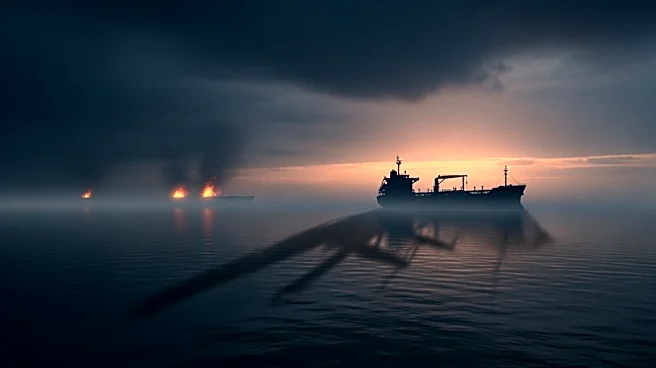
The oil market is bracing for a significant crisis as tensions in the Strait of Hormuz continue to disrupt supply chains. Paul Sankey, president of Sankey Research, has warned that the oil futures market is disconnected from the physical market reality,
with a severe reckoning imminent. Despite hopes for peace talks between the U.S. and Iran, the closure of the Strait of Hormuz for over 40 days has led to a critical shortage of new oil supplies. Countries are depleting their reserves, and inventory levels are becoming alarming. Sankey predicts that the situation will deteriorate further in the coming months, even if the strait reopens, due to the logistical challenges of repositioning tankers and restarting supply chains.
Why It's Important?
The ongoing crisis in the oil market has significant implications for global economies, particularly those heavily reliant on oil imports. The disruption in supply chains could lead to increased oil prices, affecting industries and consumers worldwide. In the U.S., higher oil prices could contribute to inflationary pressures, impacting economic growth and consumer spending. The situation also underscores the vulnerability of global supply chains to geopolitical tensions and the importance of diversifying energy sources. As countries tap into their reserves, the long-term sustainability of these resources is in question, highlighting the need for strategic energy planning and investment in alternative energy sources.
What's Next?
As the crisis unfolds, countries may need to implement measures to mitigate the impact of rising oil prices, such as releasing additional reserves or seeking alternative energy sources. The situation could prompt renewed discussions on energy security and the need for international cooperation to ensure stable supply chains. In the short term, oil prices are expected to rise, potentially leading to economic challenges for oil-dependent industries and consumers. The resolution of tensions in the Strait of Hormuz will be crucial in stabilizing the market, but the recovery of supply chains and production levels may take several months.
Beyond the Headlines
The oil market crisis highlights the broader geopolitical dynamics at play in the Middle East and the strategic importance of the Strait of Hormuz. The situation underscores the need for diplomatic efforts to resolve conflicts and ensure the free flow of goods through critical chokepoints. It also raises questions about the long-term sustainability of fossil fuel dependence and the urgency of transitioning to renewable energy sources. As countries grapple with the immediate challenges, there is an opportunity to rethink energy policies and invest in technologies that reduce reliance on volatile oil markets.