



What's Happening?
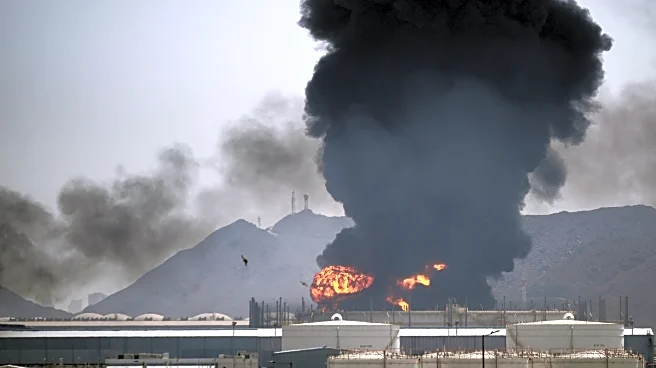
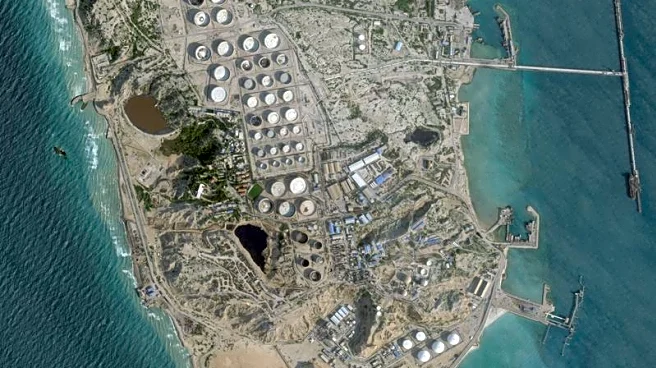
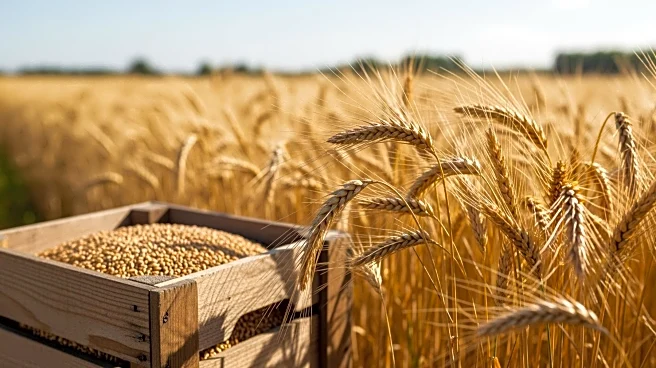
U.S. farmers are taking advantage of a surge in grain prices triggered by the ongoing conflict between the U.S., Israel, and Iran. The conflict has led to increased demand for corn, soy, and wheat, prompting farmers to sell stored crops and sign contracts
for future harvests. This price rally has provided farmers with an opportunity to secure profits and cover rising costs for fertilizers, chemicals, and seeds. Despite the positive impact on short-term profits, the agricultural sector continues to face challenges due to previous trade tensions and economic downturns.
Why It's Important?
The surge in crop prices offers a temporary financial relief for farmers who have been struggling with low prices and high production costs. However, the situation also highlights the volatility of agricultural markets and the impact of geopolitical events on commodity prices. The increased demand for biofuels and disruptions in fertilizer shipments due to the conflict further complicate the agricultural landscape. This development underscores the need for strategic planning and risk management in the farming industry to navigate market fluctuations.
What's Next?
Farmers are likely to continue monitoring market trends and geopolitical developments to make informed decisions about crop sales and future planting. The agricultural sector may also advocate for policies that support market stability and provide financial assistance during periods of uncertainty. As the conflict in the Middle East evolves, its impact on global agricultural markets and supply chains will remain a key area of focus for industry stakeholders.