

What's Happening?
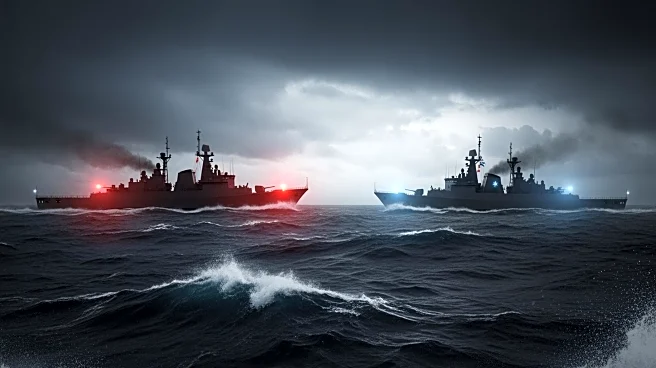
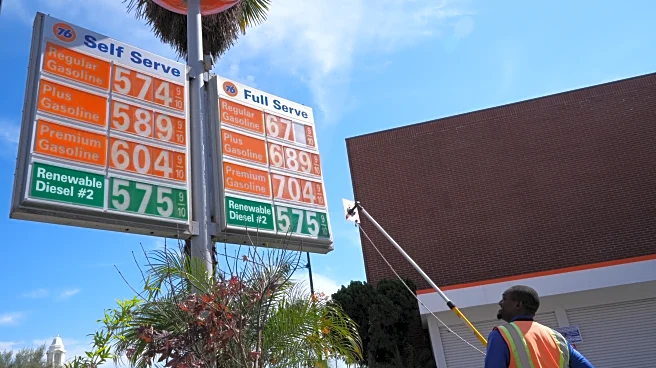
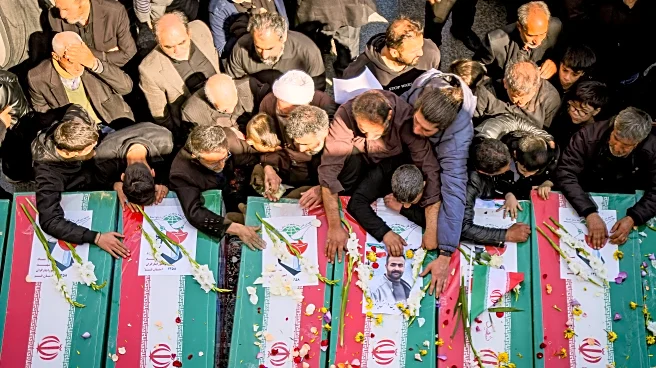
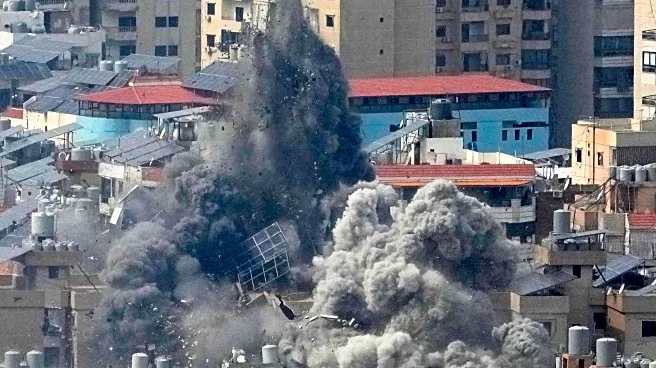
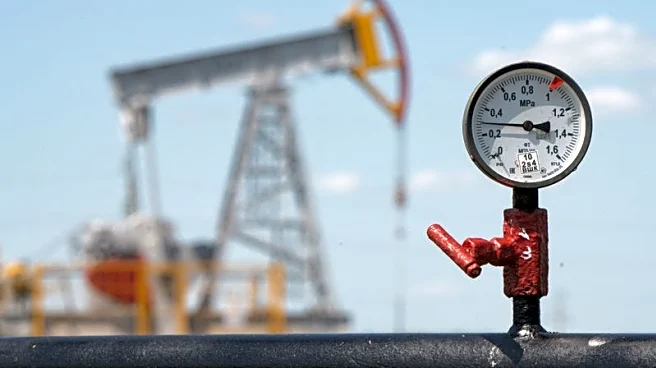
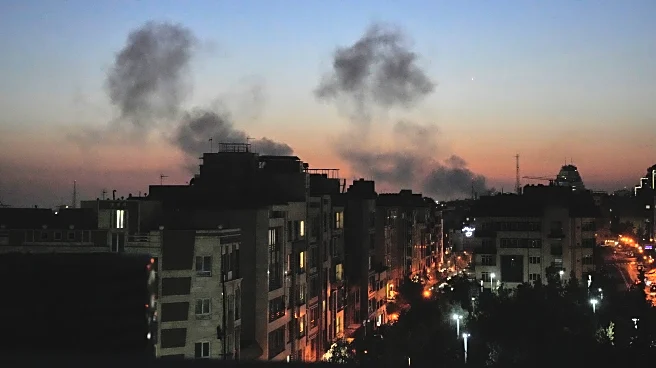
The ongoing conflict involving the US, Israel, and Iran has led to a significant increase in crude oil prices, reaching a two-year high. This surge is largely due to Iran's strategic position near the Strait of Hormuz, a critical passage for global oil supply.
The conflict has disrupted travel and business in the Gulf region, affecting perceptions of safety in areas like Dubai and Qatar. The fashion industry, heavily reliant on oil for synthetic fabrics and transportation, is facing increased costs and potential supply chain disruptions.
Why It's Important?
The rise in oil prices has broad implications for the fashion industry, which may see increased production and transportation costs. This could lead to higher prices for consumers and reduced profit margins for companies. The situation underscores the vulnerability of global supply chains to geopolitical events. Brands may need to reassess their reliance on synthetic materials and consider more sustainable practices. The conflict also highlights the potential for clean energy solutions to become more economically viable, as companies seek to mitigate the impact of fluctuating oil prices.
What's Next?
Fashion brands and retailers are likely to adopt more conservative financial forecasts as they navigate the uncertain economic landscape. Companies may explore diversifying their supply chains, incorporating more natural fibers, and relocating manufacturing closer to key markets to reduce costs. The industry will closely monitor the conflict's progression and its impact on energy infrastructure. A prolonged conflict could accelerate shifts towards renewable energy and sustainable practices within the fashion sector.