




What's Happening?
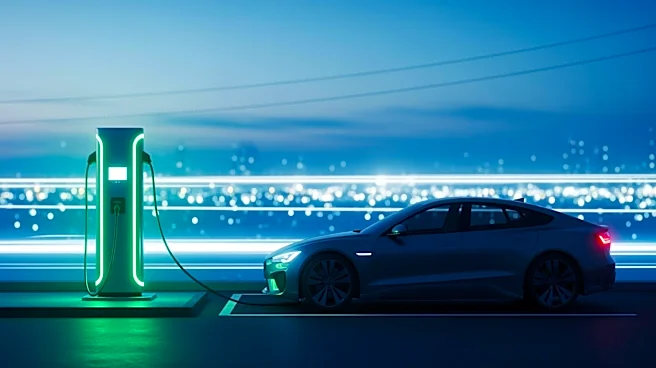
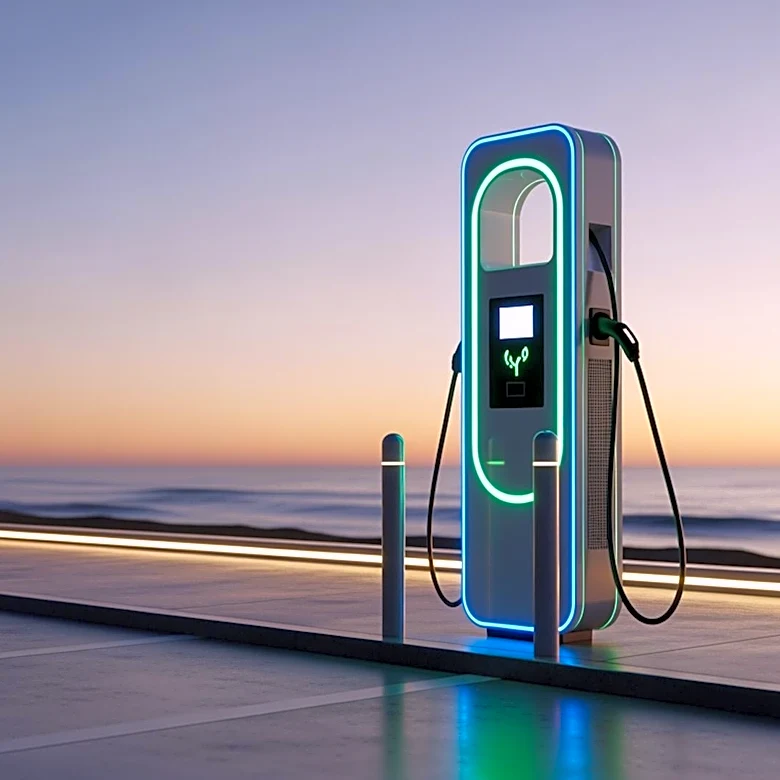
The interest in electric vehicles (EVs) is increasing as consumers face rising gasoline prices and seek cost-effective alternatives. A recent report highlights that charging an EV is generally cheaper than refueling with gasoline or diesel, contributing
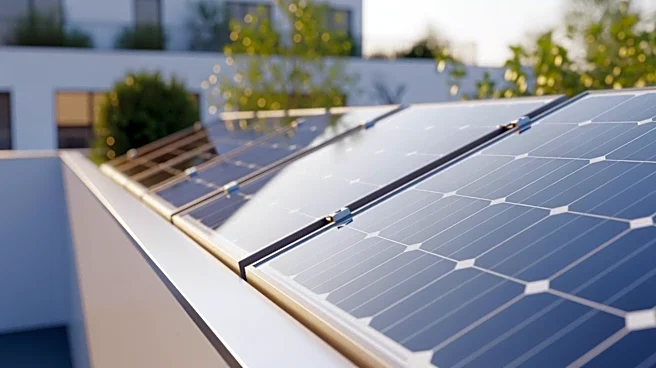
to a lower total cost of ownership. The expansion of public charging infrastructure and the availability of free charging at some hotels further enhance the appeal of EVs. Additionally, the environmental and health benefits of using electricity over fossil fuels are becoming more recognized. Some EV owners are also utilizing renewable energy sources, such as solar power, to charge their vehicles, reducing reliance on traditional energy companies.
Why It's Important?
The shift towards electric vehicles has significant implications for the U.S. economy and environment. As more consumers opt for EVs, the demand for gasoline may decrease, impacting the oil and gas industry. This transition supports efforts to reduce carbon emissions and combat climate change. The growth of the EV market also stimulates advancements in renewable energy and charging infrastructure, creating new business opportunities and jobs. Furthermore, the reduced exposure to gasoline fumes and pollutants can lead to improved public health outcomes. The economic benefits of keeping energy spending within the domestic market rather than on foreign oil imports are also noteworthy.
What's Next?
As the EV market continues to grow, further developments in charging infrastructure and renewable energy integration are expected. Automakers may increase investments in EV technology and production to meet rising consumer demand. Policymakers could introduce incentives to accelerate the adoption of EVs and support infrastructure expansion. The ongoing advancements in battery technology and charging efficiency will likely enhance the appeal of EVs, making them a more viable option for a broader range of consumers.