
What's Happening?
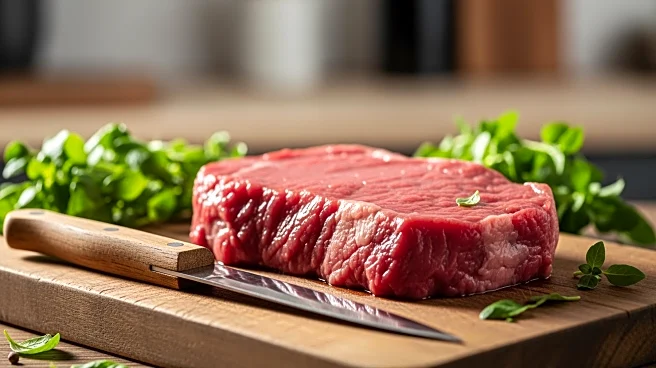
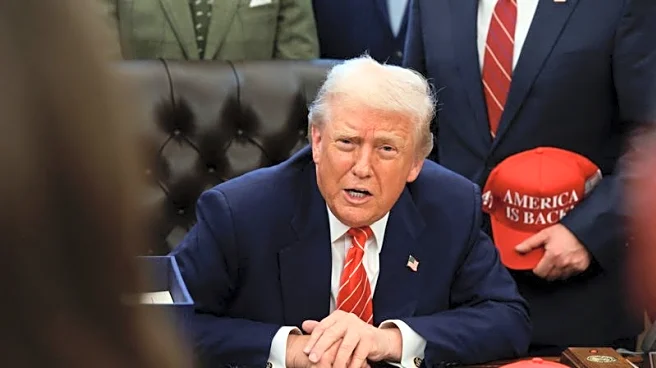
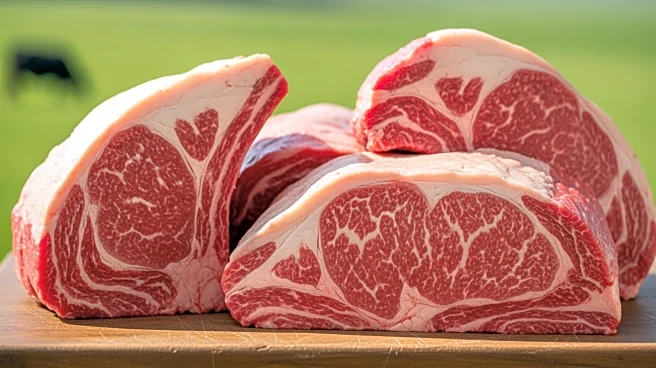
President Trump has signed a proclamation to increase U.S. imports of beef from Argentina, allowing an additional 80,000 metric tons of lean beef trimmings to be imported tariff-free annually. This decision
is part of a new trade agreement aimed at addressing the U.S. beef supply challenges. The U.S. Cattlemen’s Association and other industry groups have expressed concerns about the potential risks to the domestic cattle market, emphasizing the need for strong inspection protocols to protect U.S. consumers and livestock. The National Cattleman’s Beef Association has also highlighted the importance of ensuring that increased imports do not compromise the safety of the U.S. cattle herd.
Why It's Important?
The increase in Argentine beef imports is intended to help stabilize beef prices in the U.S., which have been affected by a significant decline in the domestic cattle supply. However, experts argue that the import increase is unlikely to have a substantial impact on prices due to its relatively small volume compared to the overall U.S. beef supply. The decision underscores the ongoing challenges faced by the U.S. cattle industry, including drought conditions and high cattle prices. The move also highlights the tension between short-term solutions and the need for long-term strategies to rebuild the U.S. cattle herd and ensure food security.
What's Next?
Stakeholders in the U.S. cattle industry are likely to continue advocating for policies that support domestic herd rebuilding and market fairness. The U.S. Cattlemen’s Association and other groups may push for tighter rules of origin and product limitations in trade agreements to protect U.S. producers. The administration may face pressure to enhance inspection protocols for imported beef to ensure consumer safety. The focus will remain on balancing short-term import strategies with long-term domestic production goals.