


What's Happening?
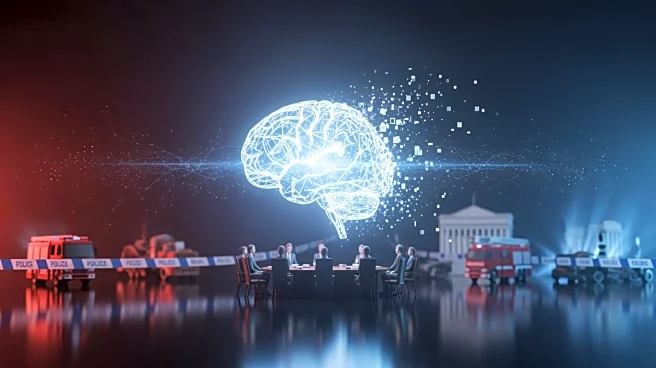
The discussion around artificial intelligence (AI) is increasingly focusing on the potential risks and ethical concerns associated with its rapid development and deployment. Recent commentary has highlighted the tendency of public figures and influencers to promote AI technologies without adequately addressing their limitations and potential negative impacts. These include job displacement, the erosion of creative industries, and the spread of misinformation. The environmental cost of running large AI models is also a significant concern. Artists like Guillermo del Toro have criticized the use of AI models trained on their work without permission, labeling it as theft. The narrative around AI is often shaped by marketing pitches that overlook
these critical issues, leading to a skewed public perception.
Why It's Important?
The unchecked promotion of AI technologies without a balanced discussion of their risks can lead to significant societal impacts. Job displacement due to automation could affect various industries, leading to economic instability for many workers. The creative sector is particularly vulnerable, as AI can replicate artistic styles without compensating the original creators. Additionally, the spread of misinformation through AI-generated content poses a threat to public discourse and democracy. The environmental impact of AI, due to its high energy consumption, adds another layer of concern. These issues highlight the need for responsible communication and regulation to ensure that AI development benefits society as a whole.
What's Next?
As AI continues to integrate into various sectors, there is a growing call for transparency and accountability from those promoting these technologies. Public figures and companies may face increased scrutiny to disclose their affiliations with AI firms and the potential biases in their endorsements. Policymakers might also push for regulations that address the ethical use of AI, including data privacy, intellectual property rights, and environmental sustainability. The conversation around AI is expected to evolve, with stakeholders from different fields advocating for a more comprehensive understanding of its implications.
Beyond the Headlines
The ethical dimensions of AI extend beyond immediate economic and environmental concerns. The technology challenges traditional notions of creativity and authorship, raising questions about the value of human input in an increasingly automated world. The potential for AI to generate deepfakes and other forms of misinformation also poses a threat to personal reputations and societal trust. As AI becomes more prevalent, there is a need for a cultural shift towards critical engagement with technology, ensuring that its development aligns with human values and ethical standards.