







What's Happening?
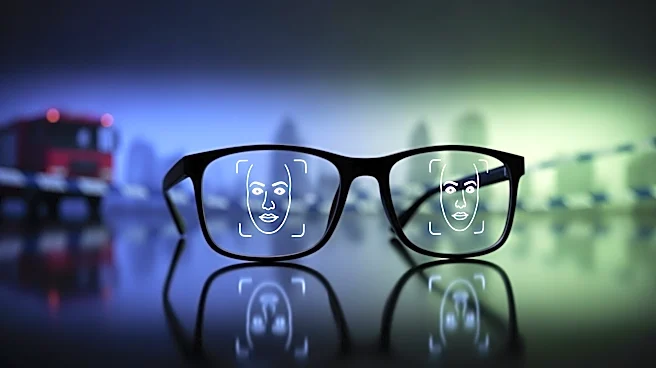
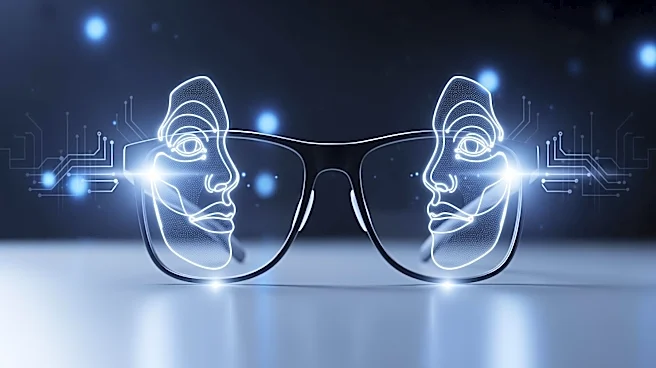
Meta has embedded unreleased face-recognition functionality, internally named 'NameTag,' in its AI app used with Ray-Ban and Oakley smart glasses. According to a technical review by WIRED, the app, which has been downloaded over 50 million times, includes
components that can detect faces, crop them, and convert them into biometric 'faceprints.' These faceprints can be compared against those stored on a user's phone, notifying the wearer when a match is found. Cooper Quintin from the Electronic Frontier Foundation's Threat Lab reviewed the code and described it as 'nearly ready to go.' However, researchers emphasize that the code is currently dormant and not transmitting any biometric data to Meta's servers. Despite this, over 70 groups, including the ACLU, have urged Meta to abandon the feature due to privacy concerns.
Why It's Important?
The inclusion of face-recognition technology in consumer devices like smart glasses raises significant privacy and ethical concerns. If activated, such technology could lead to widespread surveillance and data collection without user consent, impacting personal privacy rights. The potential for misuse or unauthorized access to biometric data is a critical issue, as it could lead to identity theft or unauthorized tracking. The pushback from civil rights groups highlights the growing demand for transparency and regulation in the deployment of AI technologies. This development underscores the need for robust privacy protections and clear guidelines on the use of biometric data in consumer products.
What's Next?
Meta may face increased scrutiny from regulators and privacy advocates as the debate over biometric data usage intensifies. The company will likely need to address these concerns by providing transparency about its intentions and ensuring robust data protection measures. Potential regulatory actions could include stricter guidelines on biometric data collection and usage, impacting how tech companies develop and deploy AI-driven features. Meta's response to these concerns will be crucial in shaping public trust and the future of AI applications in consumer technology.