






What's Happening?
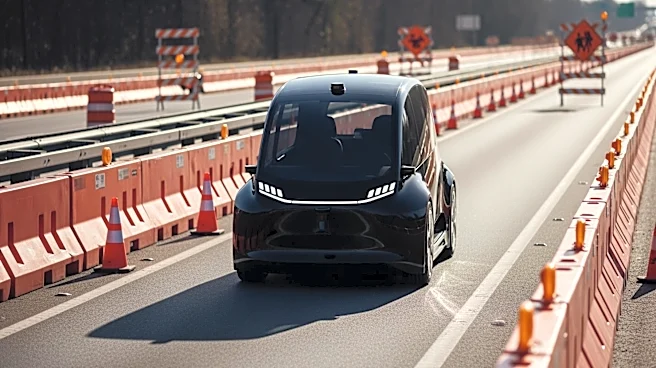
Waymo has temporarily halted its robotaxi services on freeways in major U.S. cities including San Francisco, Los Angeles, Phoenix, and Miami. This decision comes as the company works to enhance its vehicles' performance in construction zones. Despite
the suspension on freeways, Waymo's robotaxis continue to operate on surface streets in these cities. The company is integrating recent technical learnings into its software and plans to resume freeway routes soon. This move follows previous suspensions in Atlanta and San Antonio due to flooding issues, where Waymo had to recall software to help its fleet avoid flooded areas. The company is also testing a new robotaxi model, Ojai, built by Zeekr, which is expected to be operational in the coming months.
Why It's Important?
The suspension of freeway services by Waymo highlights the ongoing challenges faced by autonomous vehicle technology, particularly in adapting to complex and dynamic environments like construction zones. This development is significant as it underscores the technical hurdles that must be overcome for widespread adoption of autonomous vehicles. The ability to navigate freeways is crucial for reducing travel times and improving connectivity in large metropolitan areas. Waymo's efforts to address these issues are critical for its expansion plans, which aim to offer up to one million paid rides per week globally by the end of 2026. The outcome of these technical adjustments could influence public perception and regulatory approaches to autonomous vehicles.
What's Next?
Waymo is expected to resume its freeway services once the necessary software improvements are implemented. The company is likely to continue testing and refining its technology to ensure safe and reliable operation in various conditions, including construction zones. Stakeholders such as city planners, transportation authorities, and potential customers will be closely monitoring Waymo's progress. Successful resolution of these challenges could pave the way for broader deployment of autonomous vehicles, potentially transforming urban transportation landscapes.