
What's Happening?
U.S. consumers are adjusting their spending habits in response to increased fuel prices following the Iran war, according to retail analysts and company executives. While consumer spending has not ceased,
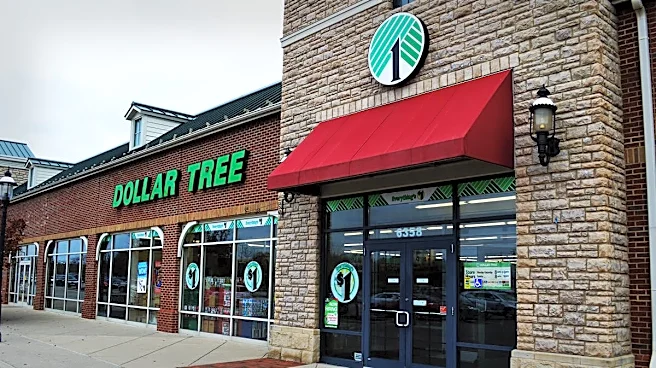
there is a noticeable shift in purchasing patterns, with many opting for more economical choices. Retailers like Walmart and Costco have reported changes in consumer behavior, such as more frequent but smaller fuel purchases and increased visits to warehouse clubs for cheaper gas. The U.S. Commerce Department noted that recent spending growth is largely due to higher prices rather than increased consumption. This trend is affecting various sectors, including clothing, furniture, and dining, as consumers prioritize essential over discretionary spending.
Why It's Important?
The shift in consumer spending patterns has significant implications for the U.S. economy, particularly for retailers and service providers. As consumers become more cautious, businesses may experience reduced sales in non-essential categories, potentially impacting their revenue and profitability. This trend could lead to a broader economic slowdown if consumer confidence continues to wane. Retailers may need to adjust their strategies, focusing on value-oriented offerings to attract budget-conscious shoppers. Additionally, the increased cost of living, driven by higher fuel prices, could exacerbate economic disparities, affecting lower-income households more severely.
What's Next?
Retailers and analysts are closely monitoring consumer behavior to anticipate further changes in spending patterns. Businesses may need to adapt by offering promotions or discounts to maintain customer engagement. The ongoing economic pressures could prompt policymakers to consider interventions to stabilize fuel prices and support consumer spending. As the situation evolves, stakeholders will be watching for signs of economic recovery or further strain, which could influence future business strategies and government policies.