








What's Happening?
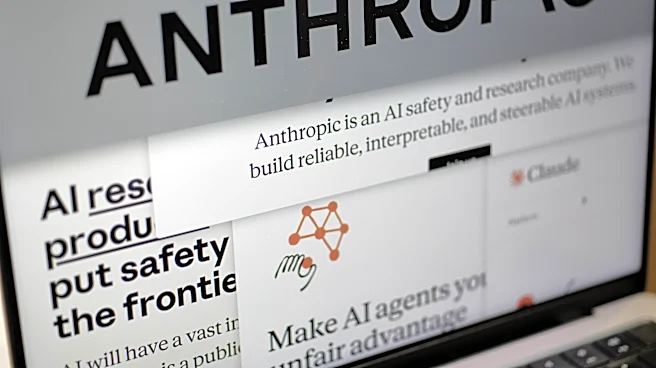
Nobel Prize-winning economist Daron Acemoglu has expressed skepticism about Anthropic CEO Dario Amodei's prediction of a significant reduction in white-collar jobs due to AI advancements. Amodei has warned of a potential 'white-collar bloodbath,' suggesting
that AI could eliminate around 50% of entry-level office jobs. However, Acemoglu argues that while AI may displace some jobs, it could also create new opportunities, and the overall impact on the labor market is uncertain. He emphasizes the need for a balanced approach to AI development that considers both potential job displacement and the creation of new roles.
Why It's Important?
The debate over AI's impact on employment is critical as it influences policy decisions and business strategies. While some experts predict significant job losses, others, like Acemoglu, highlight the potential for AI to enhance productivity and create new job categories. This discussion is vital for preparing the workforce for future changes and ensuring that economic policies support both technological innovation and job security. The differing views on AI's impact underscore the complexity of predicting technological advancements and their effects on the labor market.
What's Next?
As AI technology continues to evolve, stakeholders must engage in ongoing dialogue to address the potential economic and social implications. Policymakers, business leaders, and technologists need to collaborate to develop strategies that maximize the benefits of AI while mitigating its risks. This includes investing in education and training programs to equip workers with the skills needed for new job opportunities. The conversation around AI's impact on employment will likely continue to evolve as technology advances and its effects on the labor market become more apparent.