



What's Happening?
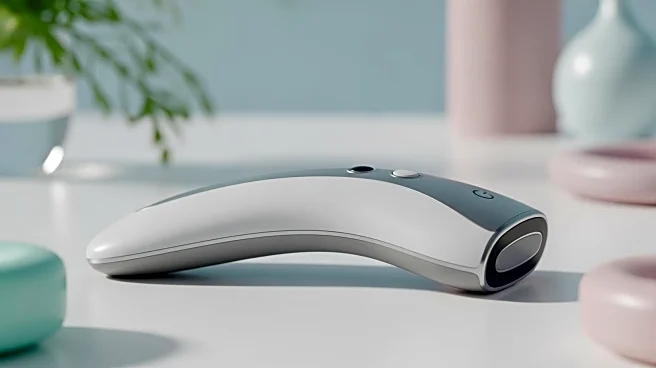
The self-care medical devices market is anticipated to grow significantly, reaching $36.5 billion by 2031, up from $23.5 billion in 2023. This growth is driven by increased health awareness, an aging population, and the prevalence of chronic diseases. Self-care medical devices, which include blood glucose monitors, digital thermometers, blood pressure monitors, pulse oximeters, wearable health trackers, and home diagnostic kits, allow individuals to monitor and manage their health independently. Recent developments in the U.S. market include the rise of telehealth-compatible at-home diagnostic kits and smart inhalers for asthma, as well as regulatory updates that have streamlined approvals for home-use blood pressure devices. The market is also
seeing increased adoption of AI-integrated wearables for diabetes management, with new FDA approvals enhancing consumer access.
Why It's Important?
The expansion of the self-care medical devices market is significant as it reflects a shift towards more personalized and accessible healthcare solutions. This trend is particularly important in the U.S., where healthcare costs are high and there is a growing demand for preventive care and early diagnosis. The increased availability and adoption of these devices can lead to better health outcomes by enabling individuals to manage chronic conditions more effectively and reduce the need for frequent clinical visits. This shift also supports the healthcare system by potentially reducing the burden on healthcare facilities and professionals. Companies like Johnson & Johnson, Medtronic, and Abbott are key players in this market, indicating strong industry support and investment in these technologies.
What's Next?
As the market continues to grow, further innovations in self-care medical devices are expected, particularly in the integration of artificial intelligence and telehealth solutions. These advancements could enhance the functionality and user-friendliness of devices, making them more appealing to a broader audience. Additionally, regulatory bodies may continue to adapt policies to support the safe and effective use of these technologies, ensuring data privacy and security. The market's growth may also encourage more companies to enter the space, increasing competition and potentially driving down costs for consumers.
Beyond the Headlines
The rise of self-care medical devices also raises important ethical and legal considerations, particularly regarding data privacy and the accuracy of health monitoring. As these devices become more integrated with AI and digital platforms, ensuring the security of personal health data will be crucial. Moreover, there is a need to address potential disparities in access to these technologies, as not all populations may have equal access to the internet or the financial means to purchase these devices. Addressing these issues will be essential to ensure that the benefits of self-care medical devices are equitably distributed.